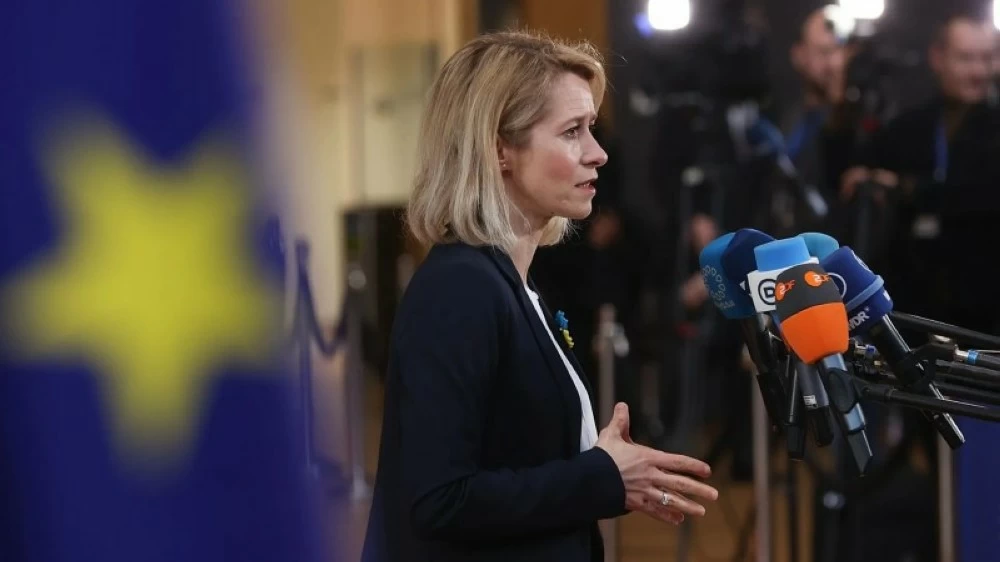

BRUSSELS — On the eve of the fourth anniversary of Russia’s war on Ukraine, a €90 billion EU emergency loan for Kyiv and a new package of sanctions against Moscow are being held up by Hungary over an energy dispute involving the transit of Russian oil through the Soviet-era Druzbha pipeline.The EU’s top diplomat has said she did not expect to get a deal on new Russia sanctions after Budapest vowed to block them unless Ukraine reopens a key oil pipeline.The oil pipeline was recently damaged by an attack attributed to Russia, but Hungary has put the responsibility for the resulting supply interruption squarely on Ukraine, accusing the country of “blackmail”.Over the weekend, Hungarian Prime Minister Viktor Orbán announced a set of three “countermeasures”: the suspension of Hungarian diesel exports to Ukraine and simultaneous vetoes on the €90 billion loan and the 20th package of sanctions.”Once oil shipments resume, normal relations will be restored,” Orbán said.The 27-nation bloc has been pushing to impose a new round of economic punishment on Moscow for Tuesday’s fourth anniversary of the Kremlin’s offensive.”I think there is not going to be progress regarding this today, but we will definitely make this push,” Kaja Kallas, the EU high representative for foreign affairs, said at the start of a meeting of EU foreign ministers on Monday.”We should not tie together things that are not connected to each other at all,” Kallas said.”But let us listen to them explaining the reasons why they are blocking, and then see whether there are possibilities to overcome.”Orban said on Sunday that Budapest would veto sanctions until the Druzhba pipeline is reopened.”As long as it doesn’t happen, there will be no change in the Hungarian position,” Hungarian Foreign Minister Peter Szijjarto told journalists as he arrived for the Brussels meeting.Ukraine says the Druzhba pipeline, which crosses its territory to deliver Russian oil to Slovakia and Hungary, was damaged on January 27 by Russian strikes.”I am astonished by the Hungarian position. We will discuss this with our Hungarian colleagues,” German Foreign Minister Johann Wadephul said. But he added he was “confident that, at the end of the day, we will be successful”.The spiraling crisis has put Brussels in a complicated position, caught between the goal to guarantee energy security for all member states and the urgency to provide Ukraine with the assistance it needs to resist the Russian invasion.A crisis meeting is scheduled for Wednesday. Croatia, whose Adriatic pipeline has emerged as a possible alternative, will also take part.The European Commission was keen to have the 20th round of sanctions, which includes a full ban on services for Russian oil tankers, green-lighted by the time the war turns four years old on Tuesday, 24 February.But Kallas said that, “unfortunately”, it was unlikely the package would be agreed on Monday due to the “very strong statements” from the Hungarian government.Swedish Foreign Minister Maria Malmer Stenergard told Euronews that the blockage was a “shame” and a “disgrace”.”Every delay that we have in the adoption of a sanctions package is a failure for Europe,” Stenergard said. “I’m not giving up yet.”France’s Jean-Noël Barrot said that “everyone must keep their commitments”, while Estonia’s Margus Tsahkna said there was “no reason” for the deadlock.Hungary’s veto of the €90 billion loan is particularly controversial because the financial aid has already been approved by the European Parliament as well as at the highest political level by EU leaders at an all-night summit in December, with Orbán negotiating a complete opt-out for his country.Slovakia, which has also halted diesel exports to Ukraine, and the Czech Republic were also exempted from the loan.Kyiv has warned that it needs fresh assistance as early as April, given the complete withdrawal of American donations since the re-election of United States President Donald Trump.To further complicate the matter, the vetoes come as Orbán fights a reelection campaign, in which his government’s opposition to Kyiv and Brussels features prominently. — AgenciesBRUSSELS — On the eve of the fourth anniversary of Russia’s war on Ukraine, a €90 billion EU emergency loan for Kyiv and a new package of sanctions against Moscow are being held up by Hungary over an energy dispute involving the transit of Russian oil through the Soviet-era Druzbha pipeline.The EU’s top diplomat has said she did not expect to get a deal on new Russia sanctions after Budapest vowed to block them unless Ukraine reopens a key oil pipeline.The oil pipeline was recently damaged by an attack attributed to Russia, but Hungary has put the responsibility for the resulting supply interruption squarely on Ukraine, accusing the country of “blackmail”.Over the weekend, Hungarian Prime Minister Viktor Orbán announced a set of three “countermeasures”: the suspension of Hungarian diesel exports to Ukraine and simultaneous vetoes on the €90 billion loan and the 20th package of sanctions.”Once oil shipments resume, normal relations will be restored,” Orbán said.The 27-nation bloc has been pushing to impose a new round of economic punishment on Moscow for Tuesday’s fourth anniversary of the Kremlin’s offensive.”I think there is not going to be progress regarding this today, but we will definitely make this push,” Kaja Kallas, the EU high representative for foreign affairs, said at the start of a meeting of EU foreign ministers on Monday.”We should not tie together things that are not connected to each other at all,” Kallas said.”But let us listen to them explaining the reasons why they are blocking, and then see whether there are possibilities to overcome.”Orban said on Sunday that Budapest would veto sanctions until the Druzhba pipeline is reopened.”As long as it doesn’t happen, there will be no change in the Hungarian position,” Hungarian Foreign Minister Peter Szijjarto told journalists as he arrived for the Brussels meeting.Ukraine says the Druzhba pipeline, which crosses its territory to deliver Russian oil to Slovakia and Hungary, was damaged on January 27 by Russian strikes.”I am astonished by the Hungarian position. We will discuss this with our Hungarian colleagues,” German Foreign Minister Johann Wadephul said. But he added he was “confident that, at the end of the day, we will be successful”.The spiraling crisis has put Brussels in a complicated position, caught between the goal to guarantee energy security for all member states and the urgency to provide Ukraine with the assistance it needs to resist the Russian invasion.A crisis meeting is scheduled for Wednesday. Croatia, whose Adriatic pipeline has emerged as a possible alternative, will also take part.The European Commission was keen to have the 20th round of sanctions, which includes a full ban on services for Russian oil tankers, green-lighted by the time the war turns four years old on Tuesday, 24 February.But Kallas said that, “unfortunately”, it was unlikely the package would be agreed on Monday due to the “very strong statements” from the Hungarian government.Swedish Foreign Minister Maria Malmer Stenergard told Euronews that the blockage was a “shame” and a “disgrace”.”Every delay that we have in the adoption of a sanctions package is a failure for Europe,” Stenergard said. “I’m not giving up yet.”France’s Jean-Noël Barrot said that “everyone must keep their commitments”, while Estonia’s Margus Tsahkna said there was “no reason” for the deadlock.Hungary’s veto of the €90 billion loan is particularly controversial because the financial aid has already been approved by the European Parliament as well as at the highest political level by EU leaders at an all-night summit in December, with Orbán negotiating a complete opt-out for his country.Slovakia, which has also halted diesel exports to Ukraine, and the Czech Republic were also exempted from the loan.Kyiv has warned that it needs fresh assistance as early as April, given the complete withdrawal of American donations since the re-election of United States President Donald Trump.To further complicate the matter, the vetoes come as Orbán fights a reelection campaign, in which his government’s opposition to Kyiv and Brussels features prominently. — Agencies
Hungarian veto thwarts EU loan for Ukraine and new sanctions on Russia