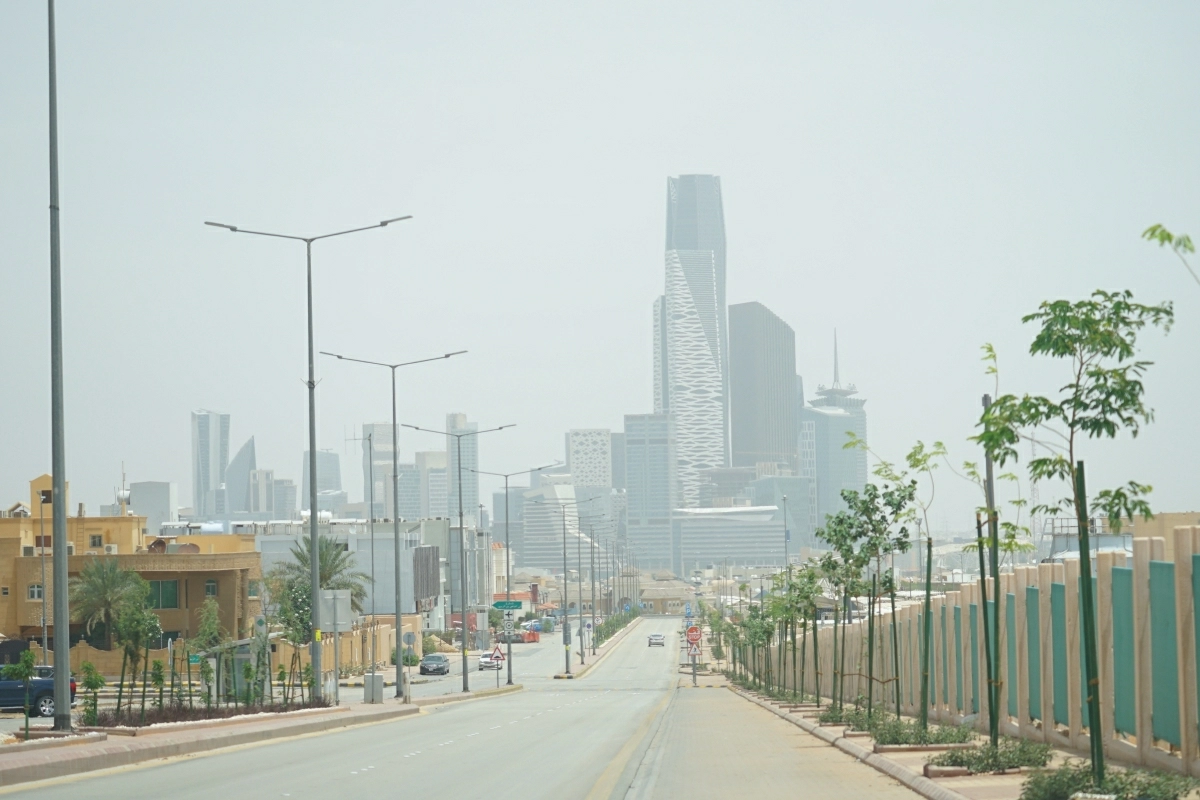

RIYADH — Saudi Vision 2030 has entered its third and final phase in 2026, marking the last five-year stretch of the Kingdom’s flagship transformation strategy before 2030.After the first phase focused on building foundations and reforms, and the second phase centered on accelerating execution, Phase 3 is expected to be the peak delivery stage, turning years of planning, investment and institution-building into broader economic and social outcomes. Here is what Phase 3 is set to focus on: 1. Faster execution of national programs Saudi officials say the tools of transformation have reached their highest level of readiness, meaning ministries, agencies and delivery systems are now positioned to move faster and complete major national programs more efficiently. 2. Stronger economic growth beyond oilPhase 3 is expected to deepen diversification by expanding non-oil sectors, which already account for 55% of GDP. Growth areas likely include tourism, logistics, mining, manufacturing, technology, entertainment and financial services. 3. Larger private sector roleThe final phase aims to further expand private sector participation in growth and investment. Saudi Arabia says private sector contribution has already reached 51% of GDP, and the next phase is expected to build on that momentum. 4. Continued support from PIF and development fundsThe Public Investment Fund and National Development Fund are expected to remain major engines of domestic investment, helping finance projects, unlock sectors and create jobs. 5. Infrastructure and better servicesPhase 3 will continue major infrastructure plans while improving the quality of core services for citizens, residents and visitors, including transport, housing, digital services, healthcare and logistics. 6. New national and regional strategiesSaudi Arabia says more sector-based and regional strategies will be launched in Phase 3. These long-term execution plans are designed to complement Vision programs and sustain impact beyond 2030. 7. Investment in Saudi talentOfficials say the most important Vision investment remains Saudi people. The final phase is expected to continue focusing on education, training, jobs, skills and competitiveness for young men and women. 8. Tourism expansionAfter surpassing 123 million visitors in 2025, Saudi Arabia is expected to push toward its upgraded target of 150 million tourists by 2030 through giga-projects, events, heritage sites and aviation growth. 9. Growth after 2030Saudi officials stress that 2030 is not the end point. Instead, the completion of Vision 2030 is expected to create a foundation for future decades of development. The bigger picturePhase 3 is about scaling what has already been built over the last decade, faster delivery, stronger competitiveness, better quality of life and a more diversified economy.RIYADH — Saudi Vision 2030 has entered its third and final phase in 2026, marking the last five-year stretch of the Kingdom’s flagship transformation strategy before 2030.After the first phase focused on building foundations and reforms, and the second phase centered on accelerating execution, Phase 3 is expected to be the peak delivery stage, turning years of planning, investment and institution-building into broader economic and social outcomes. Here is what Phase 3 is set to focus on: 1. Faster execution of national programs Saudi officials say the tools of transformation have reached their highest level of readiness, meaning ministries, agencies and delivery systems are now positioned to move faster and complete major national programs more efficiently. 2. Stronger economic growth beyond oilPhase 3 is expected to deepen diversification by expanding non-oil sectors, which already account for 55% of GDP. Growth areas likely include tourism, logistics, mining, manufacturing, technology, entertainment and financial services. 3. Larger private sector roleThe final phase aims to further expand private sector participation in growth and investment. Saudi Arabia says private sector contribution has already reached 51% of GDP, and the next phase is expected to build on that momentum. 4. Continued support from PIF and development fundsThe Public Investment Fund and National Development Fund are expected to remain major engines of domestic investment, helping finance projects, unlock sectors and create jobs. 5. Infrastructure and better servicesPhase 3 will continue major infrastructure plans while improving the quality of core services for citizens, residents and visitors, including transport, housing, digital services, healthcare and logistics. 6. New national and regional strategiesSaudi Arabia says more sector-based and regional strategies will be launched in Phase 3. These long-term execution plans are designed to complement Vision programs and sustain impact beyond 2030. 7. Investment in Saudi talentOfficials say the most important Vision investment remains Saudi people. The final phase is expected to continue focusing on education, training, jobs, skills and competitiveness for young men and women. 8. Tourism expansionAfter surpassing 123 million visitors in 2025, Saudi Arabia is expected to push toward its upgraded target of 150 million tourists by 2030 through giga-projects, events, heritage sites and aviation growth. 9. Growth after 2030Saudi officials stress that 2030 is not the end point. Instead, the completion of Vision 2030 is expected to create a foundation for future decades of development. The bigger picturePhase 3 is about scaling what has already been built over the last decade, faster delivery, stronger competitiveness, better quality of life and a more diversified economy.
What Phase 3 of Saudi Vision 2030 means for growth, jobs and the future