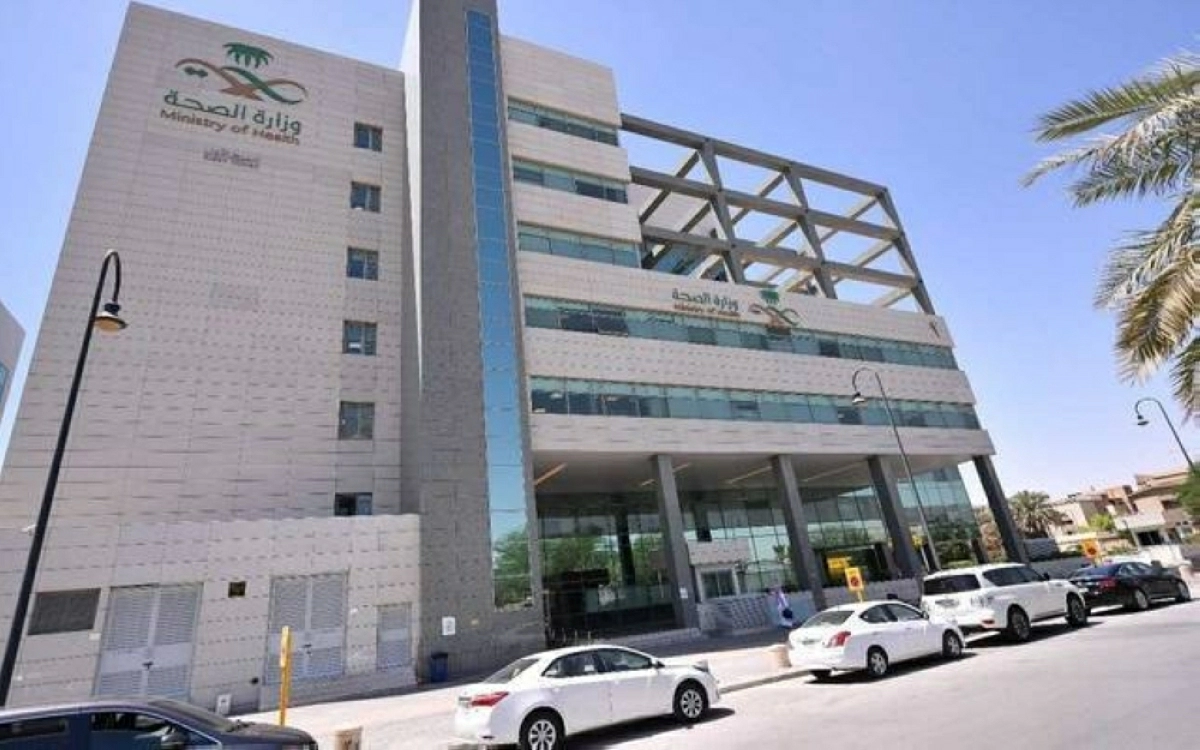
RIYADH — Abdulaziz Abdulbaqi, spokesperson of the Ministry of Health, affirmed that receiving the meningococcal vaccine is a mandatory requirement for all personnel participating in the 2026 Hajj season before commencing their duties. This measure aligns with the directives of the Supreme Hajj Committee to strengthen preventive efforts and limit the spread of infectious diseases in densely populated areas, while prioritizing the safety and well-being of workers as a key objective within the health sector. Abdulbaqi explained that the vaccine provides protection against serious infections that may spread in crowded environments. “It also enhances the safety of both workers and pilgrims, reduces the transmission of infections among them, and contributes positively to broader community protection following the conclusion of the Hajj season,” he said while noting that the approved meningococcal vaccine remains valid for five years. “Workers who received vaccination within this timeframe are not required to receive another dose, in accordance with approved health regulations,” he said. The spokesman clarified that completion of the vaccination is a prerequisite for obtaining a work permit during the Hajj season, emphasizing the importance of receiving the vaccine at least 10 days prior to the start of work to ensure optimal protective effectiveness. He also called on the workers to complete all other recommended immunizations, particularly the seasonal influenza vaccine and the COVID-19 vaccine. Abdulbaqi noted that individuals who have not yet received the updated COVID-19 vaccine — which covers newer variants and has been available since 2025 — are advised to obtain a booster dose. This would strengthen overall immunity and enhance the level of health preparedness throughout the season, he said. The spokesperson also stated that the Ministry of Health has supported all healthcare providers within security, military, and university institutions in administering Hajj vaccinations to their personnel directly at their workplaces. This initiative is intended to facilitate access to preventive services, improve compliance with health requirements, and reinforce the readiness of healthcare personnel serving pilgrims. Abdulbaqi stressed the importance of booking vaccination appointments through the “Sehhaty” app via the “Adult Vaccination Clinic” service to ensure timely immunization. He noted that the ministry began offering appointments for Hajj vaccinations to all prospective pilgrims last Sha’ban, continuing throughout Ramadan and up to the present time through the “Sehhaty” app and primary healthcare centers, in order to facilitate early access to vaccinations. These measures form part of a comprehensive framework aimed at promoting public health and strengthening preventive preparedness, thereby contributing to the provision of a safe and healthy environment for both workers and pilgrims during the Hajj season.RIYADH — Abdulaziz Abdulbaqi, spokesperson of the Ministry of Health, affirmed that receiving the meningococcal vaccine is a mandatory requirement for all personnel participating in the 2026 Hajj season before commencing their duties. This measure aligns with the directives of the Supreme Hajj Committee to strengthen preventive efforts and limit the spread of infectious diseases in densely populated areas, while prioritizing the safety and well-being of workers as a key objective within the health sector. Abdulbaqi explained that the vaccine provides protection against serious infections that may spread in crowded environments. “It also enhances the safety of both workers and pilgrims, reduces the transmission of infections among them, and contributes positively to broader community protection following the conclusion of the Hajj season,” he said while noting that the approved meningococcal vaccine remains valid for five years. “Workers who received vaccination within this timeframe are not required to receive another dose, in accordance with approved health regulations,” he said. The spokesman clarified that completion of the vaccination is a prerequisite for obtaining a work permit during the Hajj season, emphasizing the importance of receiving the vaccine at least 10 days prior to the start of work to ensure optimal protective effectiveness. He also called on the workers to complete all other recommended immunizations, particularly the seasonal influenza vaccine and the COVID-19 vaccine. Abdulbaqi noted that individuals who have not yet received the updated COVID-19 vaccine — which covers newer variants and has been available since 2025 — are advised to obtain a booster dose. This would strengthen overall immunity and enhance the level of health preparedness throughout the season, he said. The spokesperson also stated that the Ministry of Health has supported all healthcare providers within security, military, and university institutions in administering Hajj vaccinations to their personnel directly at their workplaces. This initiative is intended to facilitate access to preventive services, improve compliance with health requirements, and reinforce the readiness of healthcare personnel serving pilgrims. Abdulbaqi stressed the importance of booking vaccination appointments through the “Sehhaty” app via the “Adult Vaccination Clinic” service to ensure timely immunization. He noted that the ministry began offering appointments for Hajj vaccinations to all prospective pilgrims last Sha’ban, continuing throughout Ramadan and up to the present time through the “Sehhaty” app and primary healthcare centers, in order to facilitate early access to vaccinations. These measures form part of a comprehensive framework aimed at promoting public health and strengthening preventive preparedness, thereby contributing to the provision of a safe and healthy environment for both workers and pilgrims during the Hajj season.
Ministry of Health mandates meningococcal vaccination for all Hajj workers