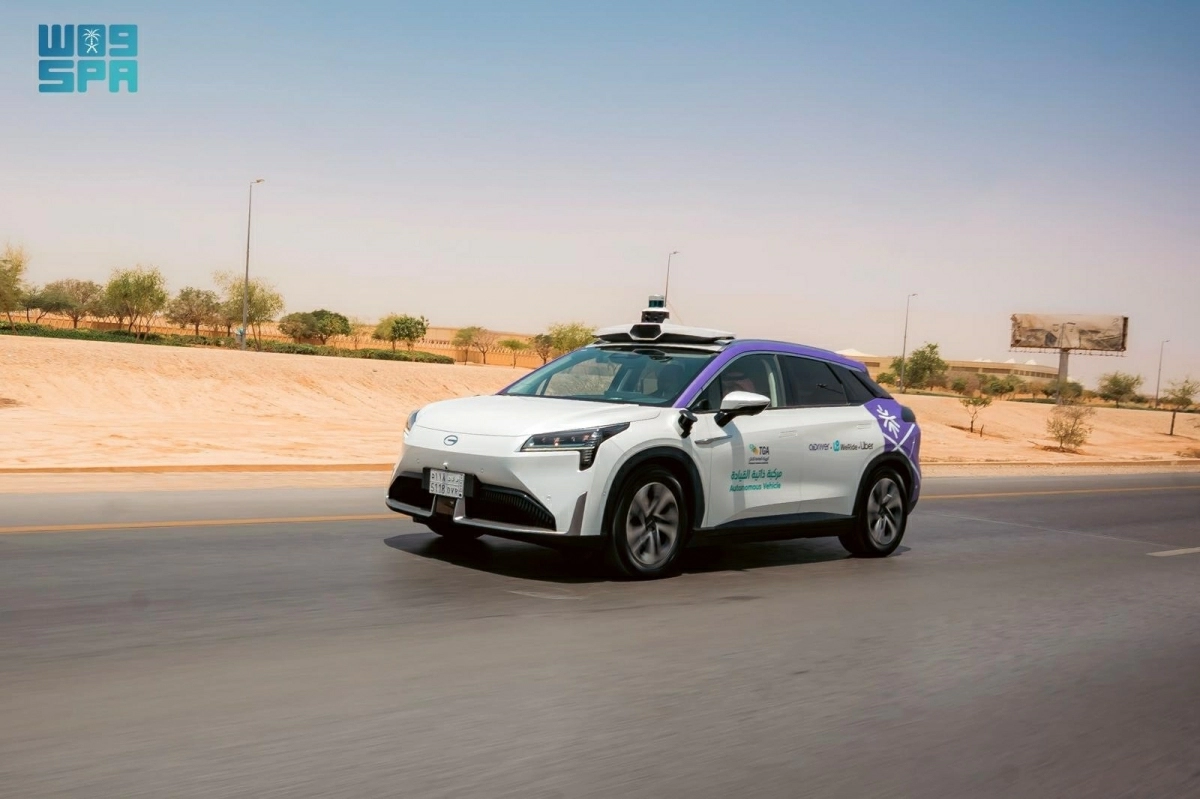

RIYADH — Saudi Arabia has introduced new traffic regulations governing self-driving vehicles, establishing legal responsibilities for owners and operators.The amendments, approved by Interior Minister Prince Abdulaziz bin Saud bin Naif and published in the official gazette Umm Al-Qura, add several provisions to the Executive Regulations of the Traffic Law covering vehicles capable of operating without human intervention.Approval required before vehicle deregistrationUnder the new rules, owners seeking to deregister a self-driving vehicle must first obtain approval from the relevant authority before the vehicle’s traffic record can be canceled.The measure aims to ensure that technical and regulatory requirements related to autonomous vehicles are addressed before they are removed from official records.The amendments also exempt fully autonomous vehicles from conventional driving authorization provisions.The Ministry of Interior said traditional driver authorization requirements will not apply to vehicles that operate without human intervention while in motion.Legal responsibility assigned to ownersThe updated regulations clarify responsibility for compliance with traffic rules.For autonomous vehicles that require human oversight, drivers must comply with applicable traffic regulations while the vehicle is operating.For fully autonomous vehicles that function without human intervention, legal responsibility will fall on the vehicle owner, who will be considered the accountable party under the law.Traffic violations and accidentsAdditional amendments require owners of fully autonomous vehicles to comply with regulations related to road signs, traffic signals and reflectors, as well as rules governing right of way for emergency vehicles and official convoys.The regulations also extend accident-related responsibilities and traffic violation penalties to owners of fully autonomous vehicles.Traffic offenses covered under the regulations include fines, vehicle impoundment and other penalties stipulated under Saudi traffic laws.The General Directorate of Traffic said the amendments are intended to facilitate the operation of autonomous vehicles capable of making driving decisions independently, whether with or without a human driver present.Authorities said the changes strengthen road safety, protect lives and property, and ensure Saudi Arabia’s traffic framework keeps pace with advances in smart mobility technologies.Self-driving vehicles rely on artificial intelligence, cameras, radar and LiDAR sensors to analyze their surroundings in real time and navigate safely. The technology ranges from driver-assistance systems to fully autonomous vehicles capable of operating without a driver.RIYADH — Saudi Arabia has introduced new traffic regulations governing self-driving vehicles, establishing legal responsibilities for owners and operators.The amendments, approved by Interior Minister Prince Abdulaziz bin Saud bin Naif and published in the official gazette Umm Al-Qura, add several provisions to the Executive Regulations of the Traffic Law covering vehicles capable of operating without human intervention.Approval required before vehicle deregistrationUnder the new rules, owners seeking to deregister a self-driving vehicle must first obtain approval from the relevant authority before the vehicle’s traffic record can be canceled.The measure aims to ensure that technical and regulatory requirements related to autonomous vehicles are addressed before they are removed from official records.The amendments also exempt fully autonomous vehicles from conventional driving authorization provisions.The Ministry of Interior said traditional driver authorization requirements will not apply to vehicles that operate without human intervention while in motion.Legal responsibility assigned to ownersThe updated regulations clarify responsibility for compliance with traffic rules.For autonomous vehicles that require human oversight, drivers must comply with applicable traffic regulations while the vehicle is operating.For fully autonomous vehicles that function without human intervention, legal responsibility will fall on the vehicle owner, who will be considered the accountable party under the law.Traffic violations and accidentsAdditional amendments require owners of fully autonomous vehicles to comply with regulations related to road signs, traffic signals and reflectors, as well as rules governing right of way for emergency vehicles and official convoys.The regulations also extend accident-related responsibilities and traffic violation penalties to owners of fully autonomous vehicles.Traffic offenses covered under the regulations include fines, vehicle impoundment and other penalties stipulated under Saudi traffic laws.The General Directorate of Traffic said the amendments are intended to facilitate the operation of autonomous vehicles capable of making driving decisions independently, whether with or without a human driver present.Authorities said the changes strengthen road safety, protect lives and property, and ensure Saudi Arabia’s traffic framework keeps pace with advances in smart mobility technologies.Self-driving vehicles rely on artificial intelligence, cameras, radar and LiDAR sensors to analyze their surroundings in real time and navigate safely. The technology ranges from driver-assistance systems to fully autonomous vehicles capable of operating without a driver.
Saudi Arabia updates traffic regulations to govern self-driving vehicles