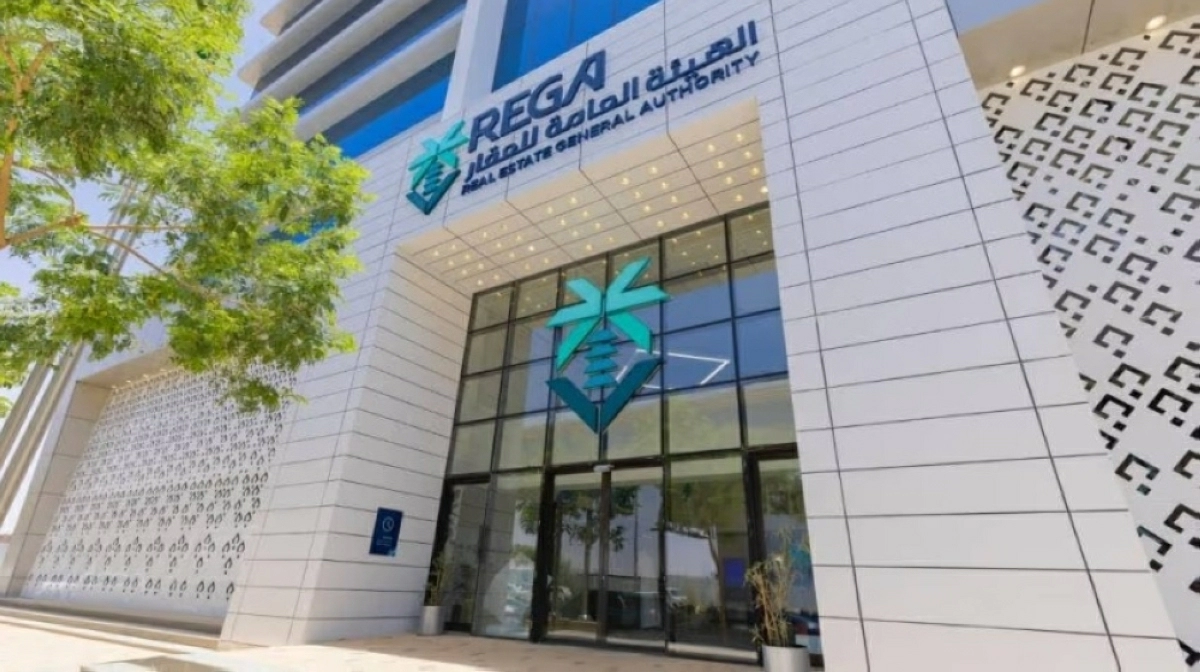

RIYADH — The General Real Estate Authority (REGA) has clarified that the statutory 5% real estate transaction tax applies to all property transfers by both Saudi and non-Saudi buyers across the Kingdom.REGA spokesperson Taisir Al-Mufarrij said property transactions involving non-Saudis within designated geographic zones in Riyadh, Jeddah, Makkah and Madinah are also subject to an additional 2% fee in accordance with the relevant law and its executive regulations, in addition to the 5% real estate transaction tax.The authority said the regulations governing non-Saudi property ownership in the four cities are designed to reflect the unique characteristics and development objectives of each location.It noted that Makkah and Madinah are subject to special provisions that preserve their religious and historical significance. Property ownership in the two holy cities is limited to Muslims, within designated areas and in accordance with approved legal procedures.REGA added that Riyadh and Jeddah are the Kingdom’s two principal economic and urban centers, and that regulating non-Saudi ownership within specified geographic zones is intended to support urban development, enhance quality of life, guide real estate investment, and promote the long-term sustainability of the property market.RIYADH — The General Real Estate Authority (REGA) has clarified that the statutory 5% real estate transaction tax applies to all property transfers by both Saudi and non-Saudi buyers across the Kingdom.REGA spokesperson Taisir Al-Mufarrij said property transactions involving non-Saudis within designated geographic zones in Riyadh, Jeddah, Makkah and Madinah are also subject to an additional 2% fee in accordance with the relevant law and its executive regulations, in addition to the 5% real estate transaction tax.The authority said the regulations governing non-Saudi property ownership in the four cities are designed to reflect the unique characteristics and development objectives of each location.It noted that Makkah and Madinah are subject to special provisions that preserve their religious and historical significance. Property ownership in the two holy cities is limited to Muslims, within designated areas and in accordance with approved legal procedures.REGA added that Riyadh and Jeddah are the Kingdom’s two principal economic and urban centers, and that regulating non-Saudi ownership within specified geographic zones is intended to support urban development, enhance quality of life, guide real estate investment, and promote the long-term sustainability of the property market.
Saudi Arabia clarifies property transaction tax for foreign buyers