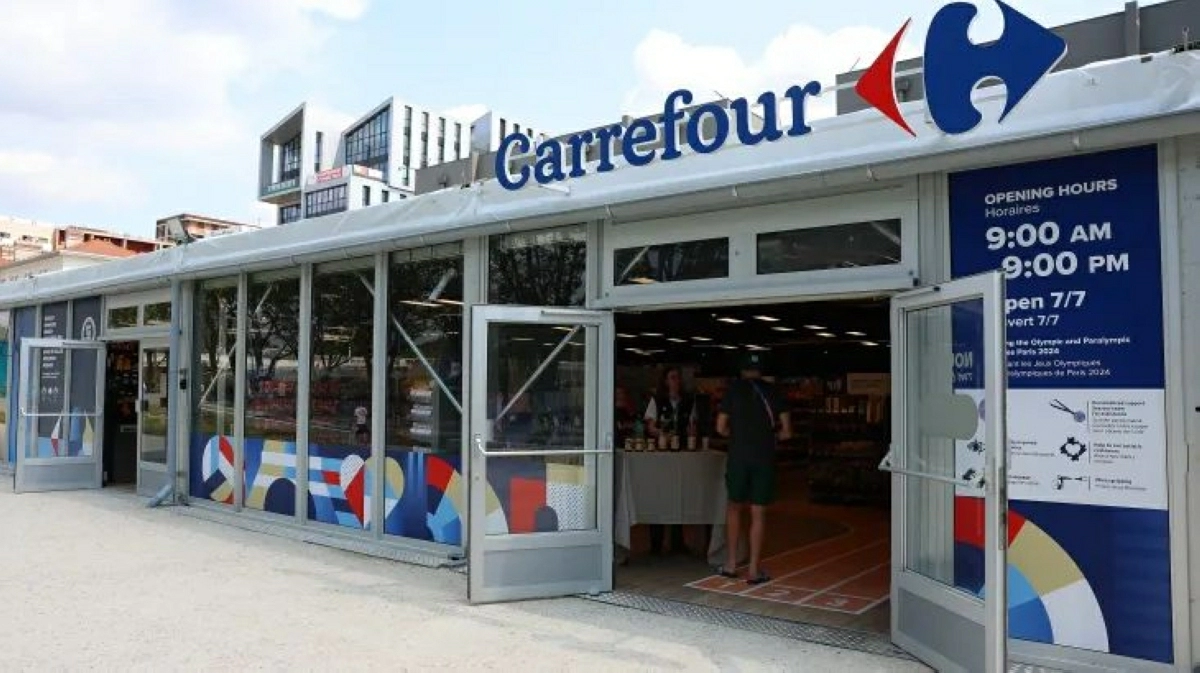

PARIS — A cyberattack on refrigeration systems at hundreds of supermarkets in France has raised the temperature of fridges and freezers to as high as 50 degrees Celsius (122F), spoiling food and causing fires at several stores.The attack prompted Prime Minister Sebastien Lecornu to instruct France’s National Cybersecurity Agency (ANSSI) to investigate, a person in his office told Reuters.Major French supermarket chains on Monday said they were hit by a cyberattack that caused their refrigerators to shoot up in temperature in hundreds of stores, forcing spoiled food to be thrown away and raising concerns about food security.Top retailers Intermarche, Cooperative U, E Leclerc and others confirmed the “unprecedented” cyberattack.At least 300 shops of Intermarche or its Netto brand were targeted, along with more than 100 Cooperative U outlets, the retailers told the AFP news agency.Carrefour said 80 supermarkets were affected, while Monoprix said about 5 percent of its roughly 490 stores were hit. E Leclerc said several of its stores were targeted.The Paris prosecutor’s office said the “large-scale” attack had affected “connected refrigerators in several major food retailers across France”. It led to food losses and fires, the office said.The source said France was coordinating with European counterparts because other countries could also be affected, adding that authorities were assessing whether other French companies were at risk.There was no immediate estimate of industry-wide losses, but Intermarche CEO Thierry Cotillard told BFM TV the “unprecedented” attack would represent losses amounting to “tens of millions of euros nationwide in a single day”.According to BFM TV, the hackers “managed to remotely trigger the forced defrosting of the refrigeration systems in numerous stores”. The action resulted in the “destruction of stocks of fresh and frozen products”, it said.Intermarche told AFP that affected stores would have to “throw away all of the products” that were fresh or frozen.Dominique Schelcher, chief executive of Cooperative U, said the attack had disrupted refrigeration systems since Sunday night.“Targeting equipment essential to the preservation of fresh products and to the food supply of the French people is extremely serious and is unprecedented. It is unacceptable,” he wrote on X.He said the company’s teams were working to restore normal operations as quickly as possible, and that an investigation would be needed to “shed full light on this attack”.Supermarket cold aisles are typically run by control panels that manage an entire store’s fridges and freezers and can be accessed over the internet, which lets maintenance companies adjust them from anywhere.The source close to Lecornu said ANSSI had identified a vulnerability in software supplied by Danish company Danfoss.Danfoss said it was “aware of incidents in France affecting a limited number of refrigeration management systems”.The affected units “were running outdated firmware”, the company said, adding that it had “long advised customers” to keep their systems updated and replace older equipment.The attack came after cybersecurity firm Claroty published research on August 9 describing vulnerabilities in Danfoss systems that could allow attackers to bypass authentication.France’s retail federation, known as the FCD, called on Danfoss to provide “full transparency”.It said some affected stores were already operating again.Felix Aime, a senior cyberthreat intelligence analyst at Sekoia Threat Detection and Research, told Reuters that Spain, Portugal, Poland, Germany and Belgium had also been affected.While retailers had lost millions of euros in food, the next target could be worse, Lachance warned. “It could target energy infrastructure or hospitals,” he said.The incident comes against the background of growing concern over the potential havoc that can be caused in Europe in all sectors by malicious actors carrying out cyberattacks.President Emmanuel Macron, a strong supporter of Ukraine in its fight against the Russian invasion, last month ordered measures to protect France’s critical infrastructure from Russian “hybrid attacks”.Industrial equipment such as refrigeration units, long isolated from the internet, are now connected via sensors or remote monitoring systems, Antoine Hautin of cybersecurity consultancy Almond told AFP.By likely affecting hundreds of units simultaneously, the attack demonstrated “a certain level of sophistication,” he added.PARIS — A cyberattack on refrigeration systems at hundreds of supermarkets in France has raised the temperature of fridges and freezers to as high as 50 degrees Celsius (122F), spoiling food and causing fires at several stores.The attack prompted Prime Minister Sebastien Lecornu to instruct France’s National Cybersecurity Agency (ANSSI) to investigate, a person in his office told Reuters.Major French supermarket chains on Monday said they were hit by a cyberattack that caused their refrigerators to shoot up in temperature in hundreds of stores, forcing spoiled food to be thrown away and raising concerns about food security.Top retailers Intermarche, Cooperative U, E Leclerc and others confirmed the “unprecedented” cyberattack.At least 300 shops of Intermarche or its Netto brand were targeted, along with more than 100 Cooperative U outlets, the retailers told the AFP news agency.Carrefour said 80 supermarkets were affected, while Monoprix said about 5 percent of its roughly 490 stores were hit. E Leclerc said several of its stores were targeted.The Paris prosecutor’s office said the “large-scale” attack had affected “connected refrigerators in several major food retailers across France”. It led to food losses and fires, the office said.The source said France was coordinating with European counterparts because other countries could also be affected, adding that authorities were assessing whether other French companies were at risk.There was no immediate estimate of industry-wide losses, but Intermarche CEO Thierry Cotillard told BFM TV the “unprecedented” attack would represent losses amounting to “tens of millions of euros nationwide in a single day”.According to BFM TV, the hackers “managed to remotely trigger the forced defrosting of the refrigeration systems in numerous stores”. The action resulted in the “destruction of stocks of fresh and frozen products”, it said.Intermarche told AFP that affected stores would have to “throw away all of the products” that were fresh or frozen.Dominique Schelcher, chief executive of Cooperative U, said the attack had disrupted refrigeration systems since Sunday night.“Targeting equipment essential to the preservation of fresh products and to the food supply of the French people is extremely serious and is unprecedented. It is unacceptable,” he wrote on X.He said the company’s teams were working to restore normal operations as quickly as possible, and that an investigation would be needed to “shed full light on this attack”.Supermarket cold aisles are typically run by control panels that manage an entire store’s fridges and freezers and can be accessed over the internet, which lets maintenance companies adjust them from anywhere.The source close to Lecornu said ANSSI had identified a vulnerability in software supplied by Danish company Danfoss.Danfoss said it was “aware of incidents in France affecting a limited number of refrigeration management systems”.The affected units “were running outdated firmware”, the company said, adding that it had “long advised customers” to keep their systems updated and replace older equipment.The attack came after cybersecurity firm Claroty published research on August 9 describing vulnerabilities in Danfoss systems that could allow attackers to bypass authentication.France’s retail federation, known as the FCD, called on Danfoss to provide “full transparency”.It said some affected stores were already operating again.Felix Aime, a senior cyberthreat intelligence analyst at Sekoia Threat Detection and Research, told Reuters that Spain, Portugal, Poland, Germany and Belgium had also been affected.While retailers had lost millions of euros in food, the next target could be worse, Lachance warned. “It could target energy infrastructure or hospitals,” he said.The incident comes against the background of growing concern over the potential havoc that can be caused in Europe in all sectors by malicious actors carrying out cyberattacks.President Emmanuel Macron, a strong supporter of Ukraine in its fight against the Russian invasion, last month ordered measures to protect France’s critical infrastructure from Russian “hybrid attacks”.Industrial equipment such as refrigeration units, long isolated from the internet, are now connected via sensors or remote monitoring systems, Antoine Hautin of cybersecurity consultancy Almond told AFP.By likely affecting hundreds of units simultaneously, the attack demonstrated “a certain level of sophistication,” he added.
Cyberattack on French supermarkets causes fires, millions in losses