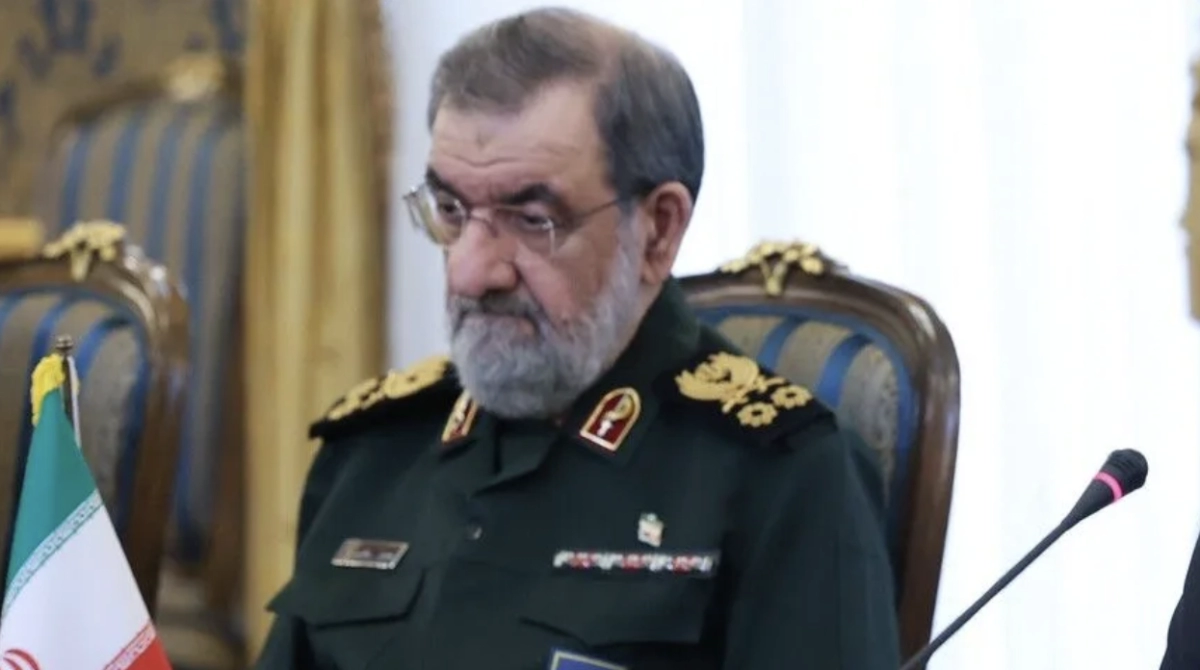

TEHRAN — Iran has made no official decision to change its nuclear doctrine despite growing calls from lawmakers and members of the public to reconsider its position if war resumes, Supreme National Security Council Secretary Mohsen Rezaei said.”So far, no official decision has been made by the government or the Supreme National Security Council to change the nuclear doctrine,” Rezaei said in remarks carried by the semi-official Tasnim News Agency.He said demands for a policy shift had emerged following attacks on Iranian facilities despite extensive inspections and the installation of online monitoring cameras by the International Atomic Energy Agency (IAEA).Rezaei also revealed that a new letter had been delivered to Iran’s Foreign Ministry through American intermediaries. He said the letter had undergone an initial review but that Tehran had not yet responded.”The noticeable change in the tone of this letter compared with previous correspondence demonstrates the consolidation of the Iranian nation’s power and victory,” he said.Rezaei stressed that Iran’s seven conditions for negotiations remained unchanged, adding that they included further demands, bringing the total to more than seven.”After these conditions have been fully implemented, other issues, such as nuclear commitments and Iran’s continued membership in the Nuclear Non-Proliferation Treaty, can be negotiated in a second stage, provided Iran’s nuclear rights are fully recognized,” he said.He maintained that more than two decades of extensive IAEA inspections, along with numerous documents and reports, demonstrated the peaceful nature of Iran’s nuclear activities.Addressing navigation through the Strait of Hormuz, Rezaei said Iran’s conditions established its management of a shared corridor through the strategic waterway, with all maritime traffic passing under Iranian supervision.His remarks followed a report by The Wall Street Journal, citing US officials, that Vice President JD Vance had sent a message to Rezaei at President Donald Trump’s direction in an effort to revive peace negotiations.Trump denied the report, saying Vance’s involvement was limited to helping provide medical supplies needed by Iran.Rezaei’s comments come amid mediation efforts led by Qatar and Pakistan to restart negotiations between Washington and Tehran, following reports of progress in indirect talks in Doha.The diplomatic efforts are aimed at reaching understandings on Iran’s nuclear program, sanctions and maritime security in the Strait of Hormuz.The United States and Israel launched attacks against Iran on Feb. 28, prompting Tehran to retaliate against Israel, Gulf states, and US assets across the region before a ceasefire agreement was reached in April.Washington and Tehran subsequently signed a memorandum of understanding on freedom of navigation in the Strait of Hormuz on June 18.However, implementation of the agreement has stalled because of disagreements over security arrangements in the waterway.TEHRAN — Iran has made no official decision to change its nuclear doctrine despite growing calls from lawmakers and members of the public to reconsider its position if war resumes, Supreme National Security Council Secretary Mohsen Rezaei said.”So far, no official decision has been made by the government or the Supreme National Security Council to change the nuclear doctrine,” Rezaei said in remarks carried by the semi-official Tasnim News Agency.He said demands for a policy shift had emerged following attacks on Iranian facilities despite extensive inspections and the installation of online monitoring cameras by the International Atomic Energy Agency (IAEA).Rezaei also revealed that a new letter had been delivered to Iran’s Foreign Ministry through American intermediaries. He said the letter had undergone an initial review but that Tehran had not yet responded.”The noticeable change in the tone of this letter compared with previous correspondence demonstrates the consolidation of the Iranian nation’s power and victory,” he said.Rezaei stressed that Iran’s seven conditions for negotiations remained unchanged, adding that they included further demands, bringing the total to more than seven.”After these conditions have been fully implemented, other issues, such as nuclear commitments and Iran’s continued membership in the Nuclear Non-Proliferation Treaty, can be negotiated in a second stage, provided Iran’s nuclear rights are fully recognized,” he said.He maintained that more than two decades of extensive IAEA inspections, along with numerous documents and reports, demonstrated the peaceful nature of Iran’s nuclear activities.Addressing navigation through the Strait of Hormuz, Rezaei said Iran’s conditions established its management of a shared corridor through the strategic waterway, with all maritime traffic passing under Iranian supervision.His remarks followed a report by The Wall Street Journal, citing US officials, that Vice President JD Vance had sent a message to Rezaei at President Donald Trump’s direction in an effort to revive peace negotiations.Trump denied the report, saying Vance’s involvement was limited to helping provide medical supplies needed by Iran.Rezaei’s comments come amid mediation efforts led by Qatar and Pakistan to restart negotiations between Washington and Tehran, following reports of progress in indirect talks in Doha.The diplomatic efforts are aimed at reaching understandings on Iran’s nuclear program, sanctions and maritime security in the Strait of Hormuz.The United States and Israel launched attacks against Iran on Feb. 28, prompting Tehran to retaliate against Israel, Gulf states, and US assets across the region before a ceasefire agreement was reached in April.Washington and Tehran subsequently signed a memorandum of understanding on freedom of navigation in the Strait of Hormuz on June 18.However, implementation of the agreement has stalled because of disagreements over security arrangements in the waterway.
Iran rules out immediate change to nuclear doctrine amid renewed US talks