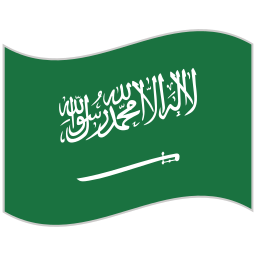
RIYADH — Saudi Arabia marked Saudi Flag Day on Wednesday, March 11, commemorating the historic day when King Abdulaziz bin Abdulrahman Al Saud approved the Saudi flag in its current form in 1937.The national flag reflects profound meanings associated with the Kingdom’s values and identity.The phrase of monotheism at the center symbolizes the message of peace and Islam upon which the state was founded, while the sword represents strength, justice and security.The green color signifies prosperity and growth, while white represents peace and purity.The day highlights deeply rooted national values that have accompanied the Saudi state since its earliest foundations, when the first banner was raised during the founding era.Since then, the flag has symbolized unity, sovereignty and the cohesion of the Saudi people.Throughout the Kingdom’s history, the flag has stood as a witness to the campaigns that unified the country, becoming a symbol of pride carried by citizens and representing the strength and authority of the state.The Saudi flag holds a unique status among world flags as it is never lowered or flown at half-mast.In recognition of its significance, King Salman bin Abdulaziz Al Saud issued a royal order on March 1, 2023, designating March 11 each year as Saudi Flag Day.The origins of the Saudi national flag date back to the founding of the Saudi state in 1727, when a green banner bearing the Islamic declaration of faith was used.The design continued through the Second Saudi State and was later adopted by King Abdulaziz after he recaptured Riyadh in 1902.The flag underwent several stages of development before its current form was officially approved in 1937, with the sword placed beneath the declaration of faith.Over the decades, regulations governing the Saudi flag evolved through several legislative stages, including decisions by the Shoura Council in 1937 and 1952 related to flag specifications and dimensions.A royal decree issued in 1973 approved the Saudi Flag Law, while the regulatory bylaws were introduced in 1978.The Basic Law of Governance, issued in 1992, reaffirmed that the flag of Saudi Arabia is green, with the phrase “There is no god but Allah; Muhammad is the Messenger of Allah” written in Thuluth script above a drawn sword.The law also stipulates that the Saudi flag must never be lowered, making it distinct among the flags of nations worldwide.RIYADH — Saudi Arabia marked Saudi Flag Day on Wednesday, March 11, commemorating the historic day when King Abdulaziz bin Abdulrahman Al Saud approved the Saudi flag in its current form in 1937.The national flag reflects profound meanings associated with the Kingdom’s values and identity.The phrase of monotheism at the center symbolizes the message of peace and Islam upon which the state was founded, while the sword represents strength, justice and security.The green color signifies prosperity and growth, while white represents peace and purity.The day highlights deeply rooted national values that have accompanied the Saudi state since its earliest foundations, when the first banner was raised during the founding era.Since then, the flag has symbolized unity, sovereignty and the cohesion of the Saudi people.Throughout the Kingdom’s history, the flag has stood as a witness to the campaigns that unified the country, becoming a symbol of pride carried by citizens and representing the strength and authority of the state.The Saudi flag holds a unique status among world flags as it is never lowered or flown at half-mast.In recognition of its significance, King Salman bin Abdulaziz Al Saud issued a royal order on March 1, 2023, designating March 11 each year as Saudi Flag Day.The origins of the Saudi national flag date back to the founding of the Saudi state in 1727, when a green banner bearing the Islamic declaration of faith was used.The design continued through the Second Saudi State and was later adopted by King Abdulaziz after he recaptured Riyadh in 1902.The flag underwent several stages of development before its current form was officially approved in 1937, with the sword placed beneath the declaration of faith.Over the decades, regulations governing the Saudi flag evolved through several legislative stages, including decisions by the Shoura Council in 1937 and 1952 related to flag specifications and dimensions.A royal decree issued in 1973 approved the Saudi Flag Law, while the regulatory bylaws were introduced in 1978.The Basic Law of Governance, issued in 1992, reaffirmed that the flag of Saudi Arabia is green, with the phrase “There is no god but Allah; Muhammad is the Messenger of Allah” written in Thuluth script above a drawn sword.The law also stipulates that the Saudi flag must never be lowered, making it distinct among the flags of nations worldwide.