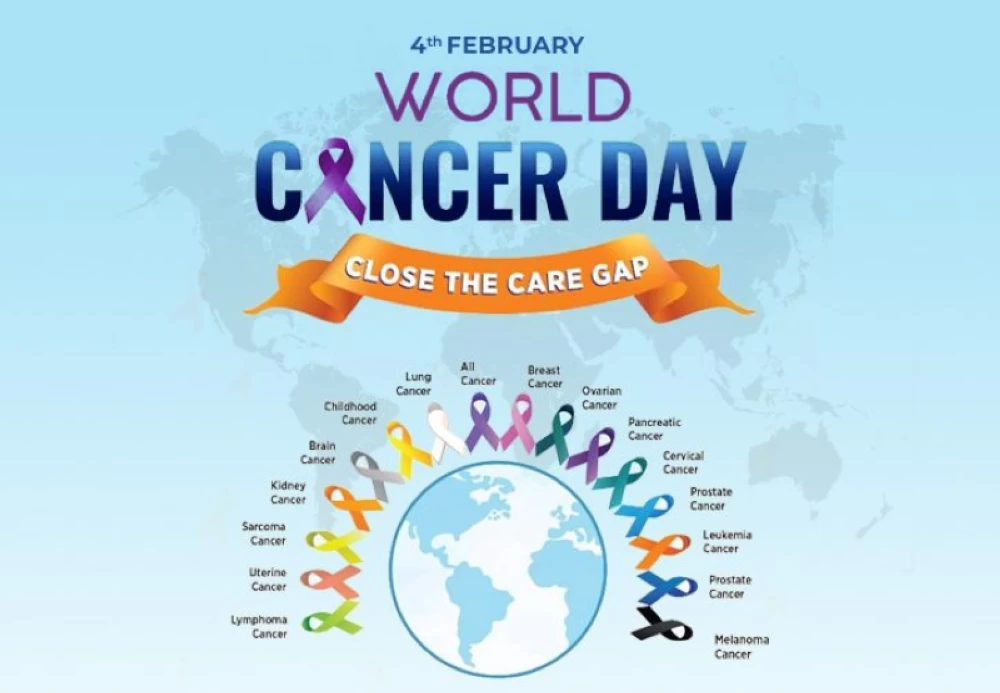

RIYADH — Marking World Cancer Day, observed annually on February 4, the Saudi Health Council highlighted its most prominent efforts to develop and regulate healthcare services for cancer patients in the Kingdom. The council published 27 national reports on cancer incidence rates, which contributed to the Kingdom ranking among the top 10 G20 countries in survival rates for the most common types of cancer. The survival rate for breast cancer reached 76 percent, prostate cancer 82 percent, and colorectal cancer 61 percent. These high rates resulted from the quality and efficiency of healthcare services provided to cancer patients, as well as from the registry’s role in monitoring and analyzing cancer data. The council issued a number of important decisions that contribute to supporting efforts in the field of cancer control, most notably the establishment of the National Cancer Center under the umbrella of the council, the development of quality standards and the evaluation of oncology services, centers, and departments, and the creation of a dedicated fast-track pathway for the admission of acute leukemia cases across all government health sectors. The council’s international efforts in the field of cancer included the Kingdom’s accession as a member of the International Agency for Research on Cancer at the World Health Organization and participation in the international CONCORD Program for cancer survival rates. The National Cancer Center seeks to develop national strategies to control cancer, combat its spread, monitor its developments, enhance the quality of comprehensive services, follow up on treatment outcomes, support research and development, and coordinate among health sectors and relevant entities concerned with cancer and cancer patients.RIYADH — Marking World Cancer Day, observed annually on February 4, the Saudi Health Council highlighted its most prominent efforts to develop and regulate healthcare services for cancer patients in the Kingdom. The council published 27 national reports on cancer incidence rates, which contributed to the Kingdom ranking among the top 10 G20 countries in survival rates for the most common types of cancer. The survival rate for breast cancer reached 76 percent, prostate cancer 82 percent, and colorectal cancer 61 percent. These high rates resulted from the quality and efficiency of healthcare services provided to cancer patients, as well as from the registry’s role in monitoring and analyzing cancer data. The council issued a number of important decisions that contribute to supporting efforts in the field of cancer control, most notably the establishment of the National Cancer Center under the umbrella of the council, the development of quality standards and the evaluation of oncology services, centers, and departments, and the creation of a dedicated fast-track pathway for the admission of acute leukemia cases across all government health sectors. The council’s international efforts in the field of cancer included the Kingdom’s accession as a member of the International Agency for Research on Cancer at the World Health Organization and participation in the international CONCORD Program for cancer survival rates. The National Cancer Center seeks to develop national strategies to control cancer, combat its spread, monitor its developments, enhance the quality of comprehensive services, follow up on treatment outcomes, support research and development, and coordinate among health sectors and relevant entities concerned with cancer and cancer patients.
Saudi Arabia ranks among top 10 G20 countries in survival rates for most common cancers