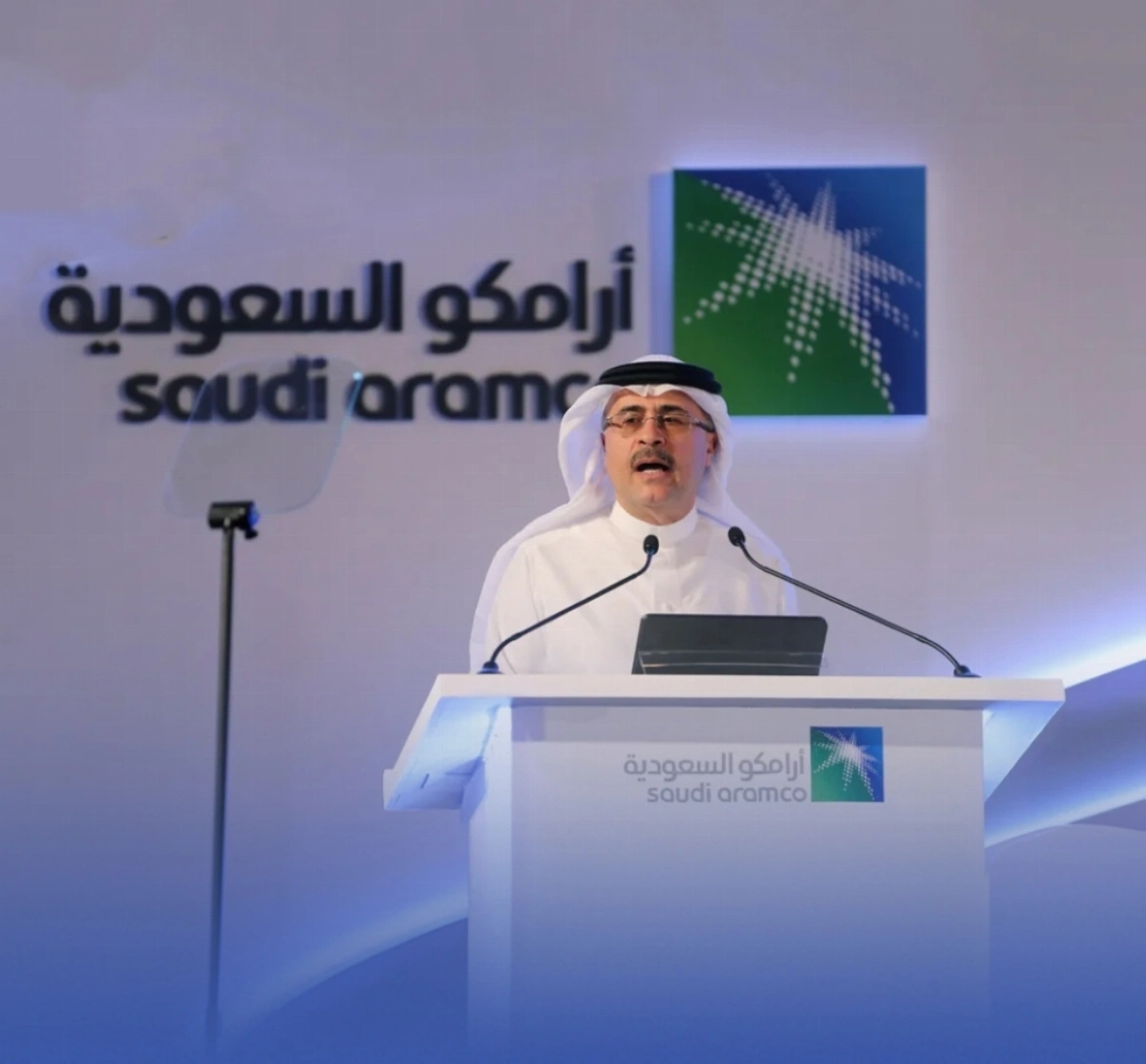

RIYADH — Saudi Aramco CEO Amin Nasser warned that global oil stockpiles have fallen to alarmingly low levels, leaving energy markets vulnerable to further supply disruptions unless the Strait of Hormuz fully reopens. “Rebuilding reserves depleted during the Middle East conflict could take up to two years,” he said while speaking at the 2026 Energy Intelligence Forum in London.Nasser said emergency releases of strategic petroleum reserves by major economies may provide short-term relief but would not resolve underlying supply-demand imbalances in global energy markets. “The seven-month war between the United States, Israel, and Iran resulted in the loss of approximately 3 billion barrels of oil supplies in the region, equivalent to nearly half the volume of crude oil and refined products that would have passed through the Strait of Hormuz during that period,” he said.“More than one billion barrels were drawn from oil reserves to mitigate the effects of the supply shortage, while governments released more than 300 million barrels from strategic reserves, with agreements to release additional quantities,” the Aramco chief said.The bulk of the compensatory supply came from company stockpiles, which he described as “the last major tool available” to support the market.Nasser stated that remaining global commercial inventories are currently below 6 billion barrels. “Most of these quantities are not practically available for immediate use,” he said.Nasser pointed out that the global energy system is already under pressure, warning that the margin of safety available to ensure the continuity of supplies has become extremely limited, given the few options remaining for the markets. Nasser noted that modern technologies, including satellite imagery and open databases of ship movements, are increasingly being used to target energy infrastructure and oil tankers. He said that in recent weeks, ships transiting the Strait of Hormuz have been attacked, along with pipelines, refineries, and ports belonging to Aramco, emphasizing that “transparency tools should not be turned into tools of aggression.”The Aramco chief stressed that the market continues to suffer from a shortage of supply and high transportation costs, at a time when spot prices for North Sea crude have risen to their highest levels since April.He stated that replenishing stockpiles while simultaneously meeting global demand could take up to two years even after the conflict ends, urging governments to prioritize energy security and enhance the resilience of supply chains.Nasser stated that Aramco is exploring additional export routes for Saudi crude, along with expanding storage facilities outside the Kingdom, to bolster supply reliability and protect customers from any future disruptions in global energy markets.RIYADH — Saudi Aramco CEO Amin Nasser warned that global oil stockpiles have fallen to alarmingly low levels, leaving energy markets vulnerable to further supply disruptions unless the Strait of Hormuz fully reopens. “Rebuilding reserves depleted during the Middle East conflict could take up to two years,” he said while speaking at the 2026 Energy Intelligence Forum in London.Nasser said emergency releases of strategic petroleum reserves by major economies may provide short-term relief but would not resolve underlying supply-demand imbalances in global energy markets. “The seven-month war between the United States, Israel, and Iran resulted in the loss of approximately 3 billion barrels of oil supplies in the region, equivalent to nearly half the volume of crude oil and refined products that would have passed through the Strait of Hormuz during that period,” he said.“More than one billion barrels were drawn from oil reserves to mitigate the effects of the supply shortage, while governments released more than 300 million barrels from strategic reserves, with agreements to release additional quantities,” the Aramco chief said.The bulk of the compensatory supply came from company stockpiles, which he described as “the last major tool available” to support the market.Nasser stated that remaining global commercial inventories are currently below 6 billion barrels. “Most of these quantities are not practically available for immediate use,” he said.Nasser pointed out that the global energy system is already under pressure, warning that the margin of safety available to ensure the continuity of supplies has become extremely limited, given the few options remaining for the markets. Nasser noted that modern technologies, including satellite imagery and open databases of ship movements, are increasingly being used to target energy infrastructure and oil tankers. He said that in recent weeks, ships transiting the Strait of Hormuz have been attacked, along with pipelines, refineries, and ports belonging to Aramco, emphasizing that “transparency tools should not be turned into tools of aggression.”The Aramco chief stressed that the market continues to suffer from a shortage of supply and high transportation costs, at a time when spot prices for North Sea crude have risen to their highest levels since April.He stated that replenishing stockpiles while simultaneously meeting global demand could take up to two years even after the conflict ends, urging governments to prioritize energy security and enhance the resilience of supply chains.Nasser stated that Aramco is exploring additional export routes for Saudi crude, along with expanding storage facilities outside the Kingdom, to bolster supply reliability and protect customers from any future disruptions in global energy markets.
Aramco chief sounds alarm as global oil stocks hit critical lows