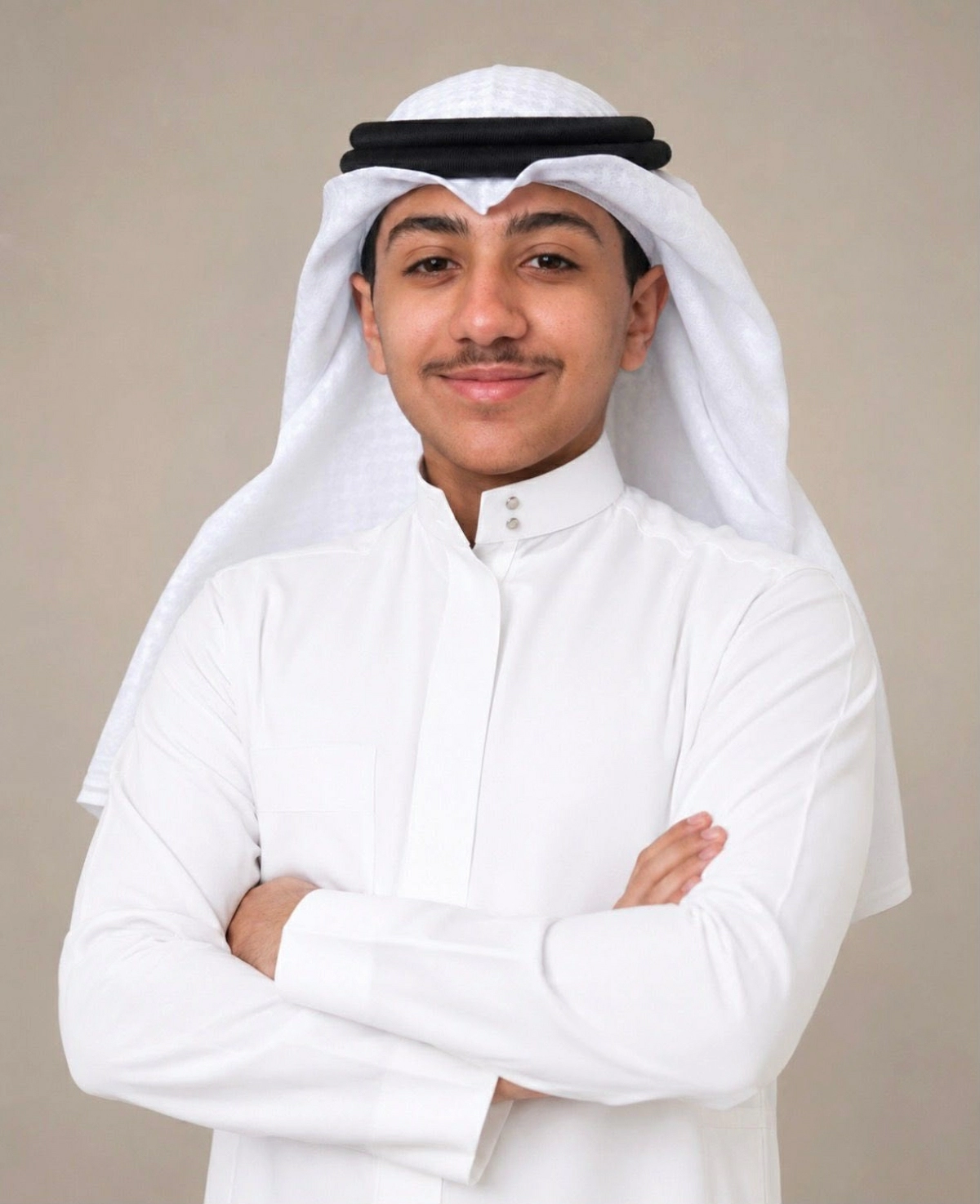

Riyadh is being transformed before our eyes. New skylines, mega-projects and an economic transformation moving faster than any previous generation of Saudis has witnessed, all framed around the ambitions and futures of Saudi Arabia’s youth. Vision 2030 places the Kingdom’s younger generation at the heart of its ambitions. As Riyadh rises around us, an important question emerges: how can we ensure that the city being reshaped for my generation also offers us the opportunity to build our futures and own homes within it?Vision 2030 has already delivered significant progress in expanding homeownership across Saudi Arabia. The Saudi homeownership rate has risen from 47% in 2016 to 66.24% by the end of 2025, moving steadily closer to the 2030 target of 70%. This represents substantial government investment and, more importantly, real families achieving homeownership. These national figures tell an encouraging story of progress across the Kingdom.Riyadh’s remarkable transformation presents its own opportunities and challenges. Real estate prices in the capital have risen significantly, with the median home sale price reaching approximately SR1.05 million in early 2026, following year-on-year price growth of around 10% in the first half of 2025. Market activity has also experienced fluctuations, reflecting changing economic conditions and affordability considerations. These developments highlight the importance of ensuring that housing supply and accessibility continue to evolve alongside the capital’s rapid expansion. So, how can Riyadh build on the success of national housing programs while responding to the unique demands of its growing market?Across Saudi Arabia, housing affordability has improved, with the price-to-income ratio falling from 10 to 6.2 since 2016, while the Housing Program continues to make progress toward its targets. Riyadh, however, is structurally different. Vision 2030’s economic activity is heavily concentrated in the capital, with approximately 90% of global companies’ regional headquarters in the Kingdom located in Riyadh. This creates significant residential demand from a growing population of professionals, investors and young Saudis entering the workforce. It is a reflection of the capital’s economic success, but it also makes maintaining a diverse and accessible housing market increasingly important. For my generation, the opportunity is to ensure that the economic growth attracting people to Riyadh is matched by housing options that allow young Saudis to establish themselves in the city.This need has already received attention at the highest levels of government. In September 2025, Crown Prince Mohammed bin Salman introduced a five-year freeze on rent increases for residential and commercial properties across urban Riyadh. The measure reflects a commitment to addressing housing pressures and providing greater stability for residents. There has also been a response on the supply side, with approximately 57,000 new housing units planned for Riyadh during 2026 and 2027. Meanwhile, the new Law of Real Estate Ownership by Non-Saudis, which came into effect in January 2026, opens additional opportunities for international investment in designated areas. As Riyadh attracts new investment and residents, expanding housing supply and maintaining accessibility for Saudi first-time buyers will be important to sustaining this momentum.Ultimately, Vision 2030’s transformation is real, and its progress is visible across the country. The rise in homeownership is an achievement worth recognizing, and city-level indicators can help provide an even clearer picture of how that progress is experienced by different generations. For a young Saudi finishing university, the opportunity to buy or rent a home in the city where many of the Kingdom’s new jobs are emerging is an important part of building a stable future. Measuring first-time buyer affordability and tracking housing developments at the city level could further strengthen the achievements already made.For my generation, the aspiration is not simply to witness Riyadh’s transformation, but to be part of it, to work, live and eventually own a home in the city whose future we are helping to build.Riyadh is being transformed before our eyes. New skylines, mega-projects and an economic transformation moving faster than any previous generation of Saudis has witnessed, all framed around the ambitions and futures of Saudi Arabia’s youth. Vision 2030 places the Kingdom’s younger generation at the heart of its ambitions. As Riyadh rises around us, an important question emerges: how can we ensure that the city being reshaped for my generation also offers us the opportunity to build our futures and own homes within it?Vision 2030 has already delivered significant progress in expanding homeownership across Saudi Arabia. The Saudi homeownership rate has risen from 47% in 2016 to 66.24% by the end of 2025, moving steadily closer to the 2030 target of 70%. This represents substantial government investment and, more importantly, real families achieving homeownership. These national figures tell an encouraging story of progress across the Kingdom.Riyadh’s remarkable transformation presents its own opportunities and challenges. Real estate prices in the capital have risen significantly, with the median home sale price reaching approximately SR1.05 million in early 2026, following year-on-year price growth of around 10% in the first half of 2025. Market activity has also experienced fluctuations, reflecting changing economic conditions and affordability considerations. These developments highlight the importance of ensuring that housing supply and accessibility continue to evolve alongside the capital’s rapid expansion. So, how can Riyadh build on the success of national housing programs while responding to the unique demands of its growing market?Across Saudi Arabia, housing affordability has improved, with the price-to-income ratio falling from 10 to 6.2 since 2016, while the Housing Program continues to make progress toward its targets. Riyadh, however, is structurally different. Vision 2030’s economic activity is heavily concentrated in the capital, with approximately 90% of global companies’ regional headquarters in the Kingdom located in Riyadh. This creates significant residential demand from a growing population of professionals, investors and young Saudis entering the workforce. It is a reflection of the capital’s economic success, but it also makes maintaining a diverse and accessible housing market increasingly important. For my generation, the opportunity is to ensure that the economic growth attracting people to Riyadh is matched by housing options that allow young Saudis to establish themselves in the city.This need has already received attention at the highest levels of government. In September 2025, Crown Prince Mohammed bin Salman introduced a five-year freeze on rent increases for residential and commercial properties across urban Riyadh. The measure reflects a commitment to addressing housing pressures and providing greater stability for residents. There has also been a response on the supply side, with approximately 57,000 new housing units planned for Riyadh during 2026 and 2027. Meanwhile, the new Law of Real Estate Ownership by Non-Saudis, which came into effect in January 2026, opens additional opportunities for international investment in designated areas. As Riyadh attracts new investment and residents, expanding housing supply and maintaining accessibility for Saudi first-time buyers will be important to sustaining this momentum.Ultimately, Vision 2030’s transformation is real, and its progress is visible across the country. The rise in homeownership is an achievement worth recognizing, and city-level indicators can help provide an even clearer picture of how that progress is experienced by different generations. For a young Saudi finishing university, the opportunity to buy or rent a home in the city where many of the Kingdom’s new jobs are emerging is an important part of building a stable future. Measuring first-time buyer affordability and tracking housing developments at the city level could further strengthen the achievements already made.For my generation, the aspiration is not simply to witness Riyadh’s transformation, but to be part of it, to work, live and eventually own a home in the city whose future we are helping to build.
As Riyadh rises, a new generation looks toward homeownership