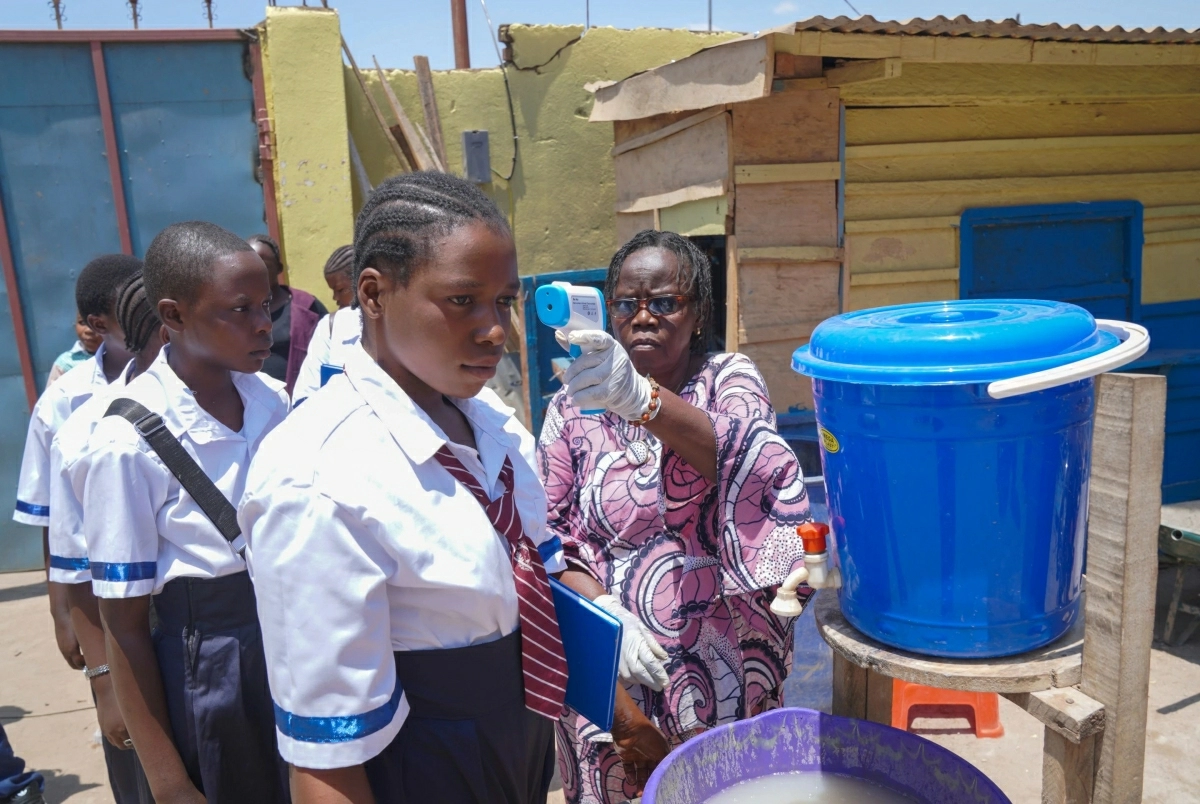
BUNIA — The Ebola outbreak in the Democratic Republic of the Congo has killed more than 3,000 people out of over 6,000 confirmed cases, the latest government data showed on Wednesday, as the disease is spreading at an unprecedented speed.Data from Congo’s Ministry of Health showed the outbreak has recorded 6,186 confirmed cases, including 3,007 deaths since it was declared in mid-May. “The disease is spreading at an unprecedented rate, outpacing our efforts to track and contain it,” Dr. Jean-Jacques Muyembe, director of the Ministry of Health in DR Congo, said in a statement released Wednesday. “This is the fastest-growing Ebola outbreak ever recorded,” he added. The World Health Organization (WHO) has corroborated these figures and described the situation as requiring urgent international attention.Health officials and international observers have attributed the rapid spread to several factors. Ongoing conflict in the eastern region, where the outbreak is concentrated, has hampered response efforts.Attacks on health workers, the mobility of miners, and inadequate health infrastructure have further complicated containment, according to statements from Dr. Muyembe and the WHO.Dr. Muyembe has also raised concerns about the resumption of school during the outbreak, warning that classroom settings could facilitate further transmission of the virus. “We are particularly worried about the risk of transmission in schools,” Dr. Muyembe said.International health agencies, including the WHO, have called for increased support and resources to address the crisis.Dr. Matshidiso Moeti, WHO Regional Director for Africa, stated, “The situation requires urgent action to prevent further escalation and to protect vulnerable populations.”The outbreak, caused by the Bundibugyo species of Ebola, became the largest and deadliest in Congo’s history after surpassing the 2018-2020 epidemic.It is now second only to the 2014-2016 West African outbreak, which infected over 28,600 people and killed more than 11,000 across Guinea, Liberia and Sierra Leone.The outbreak was formally declared in Ituri province on May 15, though some health officials and experts say it may have started as early as January. It has since spread to six provinces, despite efforts by Congolese authorities, WHO and aid groups to contain it.Bundibugyo has no approved vaccines or treatments, but several vaccines are under development, including candidates from the University of Oxford and the International AIDS Vaccine Initiative (IAVI).Congolese authorities recently began vaccinating frontline health workers with Merck’s Ervebo vaccine, which is licensed against the Zaire species of Ebola, and is believed to offer some cross-protection against Bundibugyo.BUNIA — The Ebola outbreak in the Democratic Republic of the Congo has killed more than 3,000 people out of over 6,000 confirmed cases, the latest government data showed on Wednesday, as the disease is spreading at an unprecedented speed.Data from Congo’s Ministry of Health showed the outbreak has recorded 6,186 confirmed cases, including 3,007 deaths since it was declared in mid-May. “The disease is spreading at an unprecedented rate, outpacing our efforts to track and contain it,” Dr. Jean-Jacques Muyembe, director of the Ministry of Health in DR Congo, said in a statement released Wednesday. “This is the fastest-growing Ebola outbreak ever recorded,” he added. The World Health Organization (WHO) has corroborated these figures and described the situation as requiring urgent international attention.Health officials and international observers have attributed the rapid spread to several factors. Ongoing conflict in the eastern region, where the outbreak is concentrated, has hampered response efforts.Attacks on health workers, the mobility of miners, and inadequate health infrastructure have further complicated containment, according to statements from Dr. Muyembe and the WHO.Dr. Muyembe has also raised concerns about the resumption of school during the outbreak, warning that classroom settings could facilitate further transmission of the virus. “We are particularly worried about the risk of transmission in schools,” Dr. Muyembe said.International health agencies, including the WHO, have called for increased support and resources to address the crisis.Dr. Matshidiso Moeti, WHO Regional Director for Africa, stated, “The situation requires urgent action to prevent further escalation and to protect vulnerable populations.”The outbreak, caused by the Bundibugyo species of Ebola, became the largest and deadliest in Congo’s history after surpassing the 2018-2020 epidemic.It is now second only to the 2014-2016 West African outbreak, which infected over 28,600 people and killed more than 11,000 across Guinea, Liberia and Sierra Leone.The outbreak was formally declared in Ituri province on May 15, though some health officials and experts say it may have started as early as January. It has since spread to six provinces, despite efforts by Congolese authorities, WHO and aid groups to contain it.Bundibugyo has no approved vaccines or treatments, but several vaccines are under development, including candidates from the University of Oxford and the International AIDS Vaccine Initiative (IAVI).Congolese authorities recently began vaccinating frontline health workers with Merck’s Ervebo vaccine, which is licensed against the Zaire species of Ebola, and is believed to offer some cross-protection against Bundibugyo.
Congo’s Ebola outbreak shows no signs of slowing as deaths top 3,000