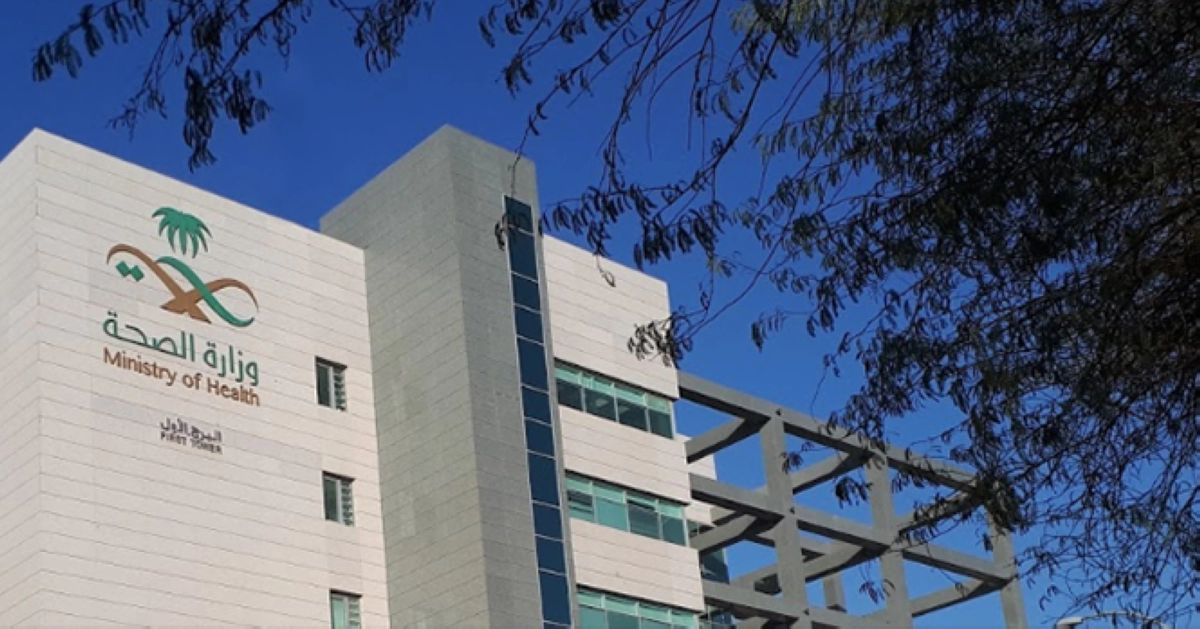

RIYADH — The Ministry of Health emphasized that sick leave is granted in line with established regulations and procedures based on a medical assessment of the patient’s condition, not at the patient’s request or preference. A physician decides based on actual need and how far the condition affects the patient’s ability to work or carry out daily activities, so that the length of leave matches the patient’s actual health. The duration of leave is set by the condition and diagnosis, within the authority granted to physicians and healthcare entities, the ministry said. Requests beyond the attending physician’s authority require further approval from other physicians, specialized medical committees, or relevant medical bodies, according to approved guidelines and timeframes. The ministry stressed that sick leave should be obtained only from authorized healthcare entities after a proper medical assessment. Electronically issued leave can be viewed in the Sehhaty app, and the authenticity of sick leave can be checked through the inquiry service on the Seha platform. Users should make sure they are on the official platform and that the leave details match, rather than relying on a copy of a document or on QR codes that may lead to fraudulent websites. Prohibited practices include issuing sick leave without valid medical justification, tampering with medical records to justify it, issuing leave through unauthorized people or entities, helping patients obtain undeserved benefits, and forging sick leave documents or their contents, all of which are subject to legal accountability, the ministry said. Its oversight includes reviewing medical procedures for issuing sick leave, auditing healthcare facilities in the field, analyzing sick leave data, and monitoring facilities’ and practitioners’ compliance with guidelines, as part of its regulatory role and awareness campaigns for practitioners and patients. Healthcare practitioners are responsible for the integrity of the process and must follow regulations, conduct professional medical assessments, document conditions accurately, and stay within their authorized scope and approved duration limits, the ministry said. Compliance protects the rights of patients, practitioners, and facilities, ensures patients receive the leave they are entitled to, upholds professional integrity, and curbs misuse. Under the Law of Practicing Healthcare Professions, helping a patient obtain an undeserved or unlawful benefit carries a fine of up to SR50,000, and may lead to revocation of the practitioner’s license and removal from the register of licensed practitioners. The Anti-Forgery Law sets a prison term of up to one year and a fine of up to SR100,000 for anyone who, within their authority, knowingly forges or issues a false medical report or certificate. Under Article 23 of the Anti-Forgery Law, liability also extends to healthcare facilities involved in forging sick leave certificates. The ministry urged the public to report such practices to its unified call center at 937 and reaffirmed its commitment to continued oversight and legal action against violators to safeguard the credibility of sick leave certificates and the public interest.RIYADH — The Ministry of Health emphasized that sick leave is granted in line with established regulations and procedures based on a medical assessment of the patient’s condition, not at the patient’s request or preference. A physician decides based on actual need and how far the condition affects the patient’s ability to work or carry out daily activities, so that the length of leave matches the patient’s actual health. The duration of leave is set by the condition and diagnosis, within the authority granted to physicians and healthcare entities, the ministry said. Requests beyond the attending physician’s authority require further approval from other physicians, specialized medical committees, or relevant medical bodies, according to approved guidelines and timeframes. The ministry stressed that sick leave should be obtained only from authorized healthcare entities after a proper medical assessment. Electronically issued leave can be viewed in the Sehhaty app, and the authenticity of sick leave can be checked through the inquiry service on the Seha platform. Users should make sure they are on the official platform and that the leave details match, rather than relying on a copy of a document or on QR codes that may lead to fraudulent websites. Prohibited practices include issuing sick leave without valid medical justification, tampering with medical records to justify it, issuing leave through unauthorized people or entities, helping patients obtain undeserved benefits, and forging sick leave documents or their contents, all of which are subject to legal accountability, the ministry said. Its oversight includes reviewing medical procedures for issuing sick leave, auditing healthcare facilities in the field, analyzing sick leave data, and monitoring facilities’ and practitioners’ compliance with guidelines, as part of its regulatory role and awareness campaigns for practitioners and patients. Healthcare practitioners are responsible for the integrity of the process and must follow regulations, conduct professional medical assessments, document conditions accurately, and stay within their authorized scope and approved duration limits, the ministry said. Compliance protects the rights of patients, practitioners, and facilities, ensures patients receive the leave they are entitled to, upholds professional integrity, and curbs misuse. Under the Law of Practicing Healthcare Professions, helping a patient obtain an undeserved or unlawful benefit carries a fine of up to SR50,000, and may lead to revocation of the practitioner’s license and removal from the register of licensed practitioners. The Anti-Forgery Law sets a prison term of up to one year and a fine of up to SR100,000 for anyone who, within their authority, knowingly forges or issues a false medical report or certificate. Under Article 23 of the Anti-Forgery Law, liability also extends to healthcare facilities involved in forging sick leave certificates. The ministry urged the public to report such practices to its unified call center at 937 and reaffirmed its commitment to continued oversight and legal action against violators to safeguard the credibility of sick leave certificates and the public interest.
Health ministry: Sick leave only after medical assessment; zero tolerance for misuse