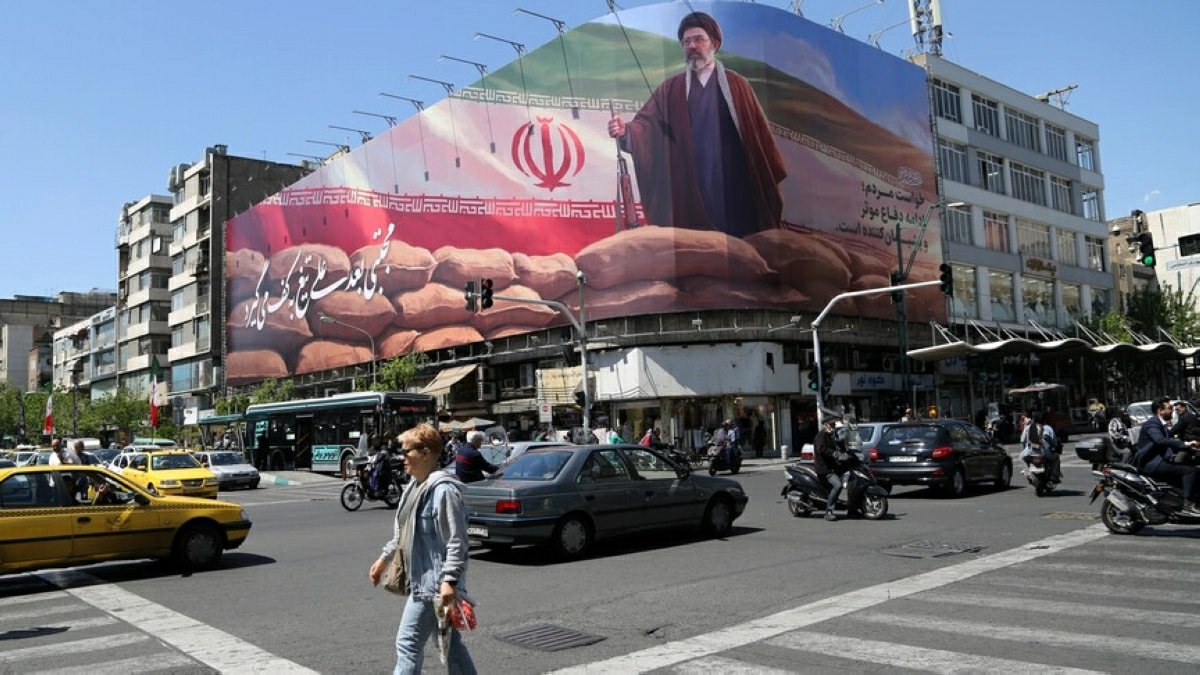

TEHRAN — Iranian parliamentary spokesman Ebrahim Rezaei said on Sunday that Tehran’s “restraint is over,” warning that any attack on Iranian vessels would trigger a “heavy and decisive” response against US forces and bases in the region.“As of today (Sunday), our restraint is over. Any attack on our vessels will be met with a heavy and decisive Iranian response against US vessels and bases,” Rezaei, spokesman for the Iranian parliament’s Foreign Policy and National Security Committee, said in a statement posted on X.He also warned that “the clock is ticking against the Americans’ interests.”“The best course (for the US) is to surrender and make concessions,” he said. “They must adapt to the new regional order.”The remarks come amid escalating regional tensions following US and Israeli strikes against Iran on Feb. 28, which triggered attacks by Tehran against Israel and US allies in the Gulf region, alongside the closure of the Strait of Hormuz.A ceasefire took effect on April 8 through Pakistani mediation efforts, but talks held later in Islamabad failed to secure a permanent agreement.The truce was subsequently extended by US President Donald Trump without a specified deadline, keeping diplomatic channels open for a broader settlement to the conflict.Since April 13, the United States has enforced a naval blockade targeting Iranian maritime traffic in the Strait of Hormuz.TEHRAN — Iranian parliamentary spokesman Ebrahim Rezaei said on Sunday that Tehran’s “restraint is over,” warning that any attack on Iranian vessels would trigger a “heavy and decisive” response against US forces and bases in the region.“As of today (Sunday), our restraint is over. Any attack on our vessels will be met with a heavy and decisive Iranian response against US vessels and bases,” Rezaei, spokesman for the Iranian parliament’s Foreign Policy and National Security Committee, said in a statement posted on X.He also warned that “the clock is ticking against the Americans’ interests.”“The best course (for the US) is to surrender and make concessions,” he said. “They must adapt to the new regional order.”The remarks come amid escalating regional tensions following US and Israeli strikes against Iran on Feb. 28, which triggered attacks by Tehran against Israel and US allies in the Gulf region, alongside the closure of the Strait of Hormuz.A ceasefire took effect on April 8 through Pakistani mediation efforts, but talks held later in Islamabad failed to secure a permanent agreement.The truce was subsequently extended by US President Donald Trump without a specified deadline, keeping diplomatic channels open for a broader settlement to the conflict.Since April 13, the United States has enforced a naval blockade targeting Iranian maritime traffic in the Strait of Hormuz.
Iran warns restraint is over, threatens response to attacks on vessels