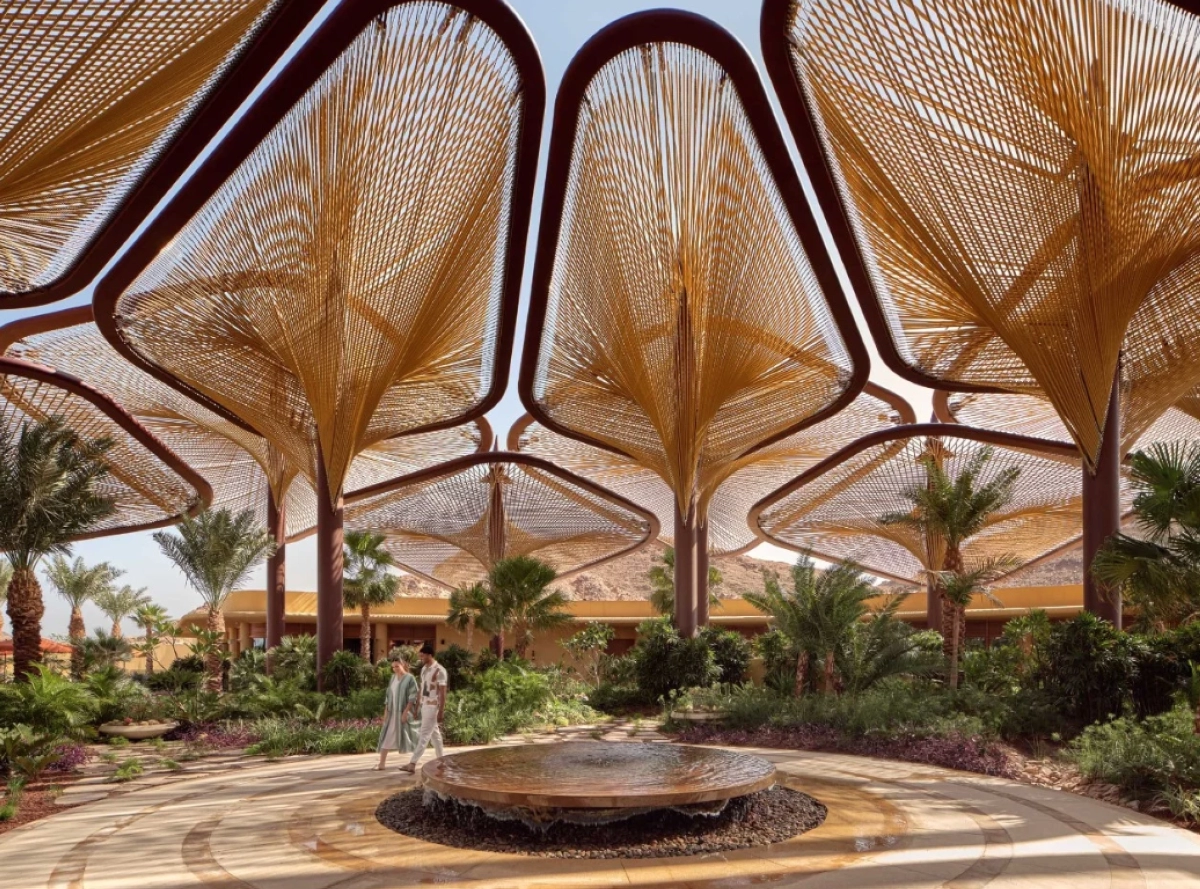

JEDDAH — For many Saudi travelers last Eid, it was a rediscovery of destinations closer to home, as Red Sea resorts entered a more active phase and became increasingly accustomed to receiving guests at scale. That shift was reflected in the numbers. Red Sea resorts emerged as one of the strongest-performing segments of Saudi Arabia’s tourism sector in the first quarter of 2026, driven by a surge in domestic travel during Ramadan and Eid. According to the Ministry of Tourism’s Q1 2026 performance report, occupancy at ultra-luxury Red Sea resorts reached 82% during the final 10 days of Ramadan, reflecting strong holiday demand. **media[2700391]** The Red Sea destination currently includes nine operating resorts offering around 11,800 hotel rooms, with several properties moving beyond initial launch phases into more consistent operations. While religious tourism dominated during Ramadan — with hotel occupancy in Makkah exceeding 97% and reaching full capacity during peak days — Red Sea resorts outperformed other leisure destinations such as AlUla, which recorded 77% occupancy in the first quarter. According to the Vision 2030 annual report, the Red Sea welcomed more than 50,000 tourists in 2025. Demand was particularly strong at resorts such as Six Senses Southern Dunes, The Red Sea, St. Regis Red Sea Resort, and Nujuma, a Ritz-Carlton Reserve, as regional tensions and aviation disruptions influenced travel decisions. “We stayed local this Eid and we loved it,” said Ahmed, a visitor from Riyadh. **media[2700390]** The Ministry’s report noted that the Red Sea played a key role in sustaining domestic leisure activity during school holidays and festive periods, particularly as external travel conditions became more complex. “Travel plans changed, so we chose the Red Sea. It was the right choice,” said Reem. The strong Eid performance also pointed to a broader shift in Saudi tourism, where domestic travelers are increasingly anchoring demand for emerging destinations especially during periods of regional uncertainty. Despite its positioning as a global luxury destination, recent performance underscores a clear reality: the Red Sea’s first and most consistent customer remains within the Kingdom. **media[2700392]**JEDDAH — For many Saudi travelers last Eid, it was a rediscovery of destinations closer to home, as Red Sea resorts entered a more active phase and became increasingly accustomed to receiving guests at scale. That shift was reflected in the numbers. Red Sea resorts emerged as one of the strongest-performing segments of Saudi Arabia’s tourism sector in the first quarter of 2026, driven by a surge in domestic travel during Ramadan and Eid. According to the Ministry of Tourism’s Q1 2026 performance report, occupancy at ultra-luxury Red Sea resorts reached 82% during the final 10 days of Ramadan, reflecting strong holiday demand. **media[2700391]** The Red Sea destination currently includes nine operating resorts offering around 11,800 hotel rooms, with several properties moving beyond initial launch phases into more consistent operations. While religious tourism dominated during Ramadan — with hotel occupancy in Makkah exceeding 97% and reaching full capacity during peak days — Red Sea resorts outperformed other leisure destinations such as AlUla, which recorded 77% occupancy in the first quarter. According to the Vision 2030 annual report, the Red Sea welcomed more than 50,000 tourists in 2025. Demand was particularly strong at resorts such as Six Senses Southern Dunes, The Red Sea, St. Regis Red Sea Resort, and Nujuma, a Ritz-Carlton Reserve, as regional tensions and aviation disruptions influenced travel decisions. “We stayed local this Eid and we loved it,” said Ahmed, a visitor from Riyadh. **media[2700390]** The Ministry’s report noted that the Red Sea played a key role in sustaining domestic leisure activity during school holidays and festive periods, particularly as external travel conditions became more complex. “Travel plans changed, so we chose the Red Sea. It was the right choice,” said Reem. The strong Eid performance also pointed to a broader shift in Saudi tourism, where domestic travelers are increasingly anchoring demand for emerging destinations especially during periods of regional uncertainty. Despite its positioning as a global luxury destination, recent performance underscores a clear reality: the Red Sea’s first and most consistent customer remains within the Kingdom. **media[2700392]**
Red Sea resorts hit 82% occupancy during Eid surge in Q1 2026