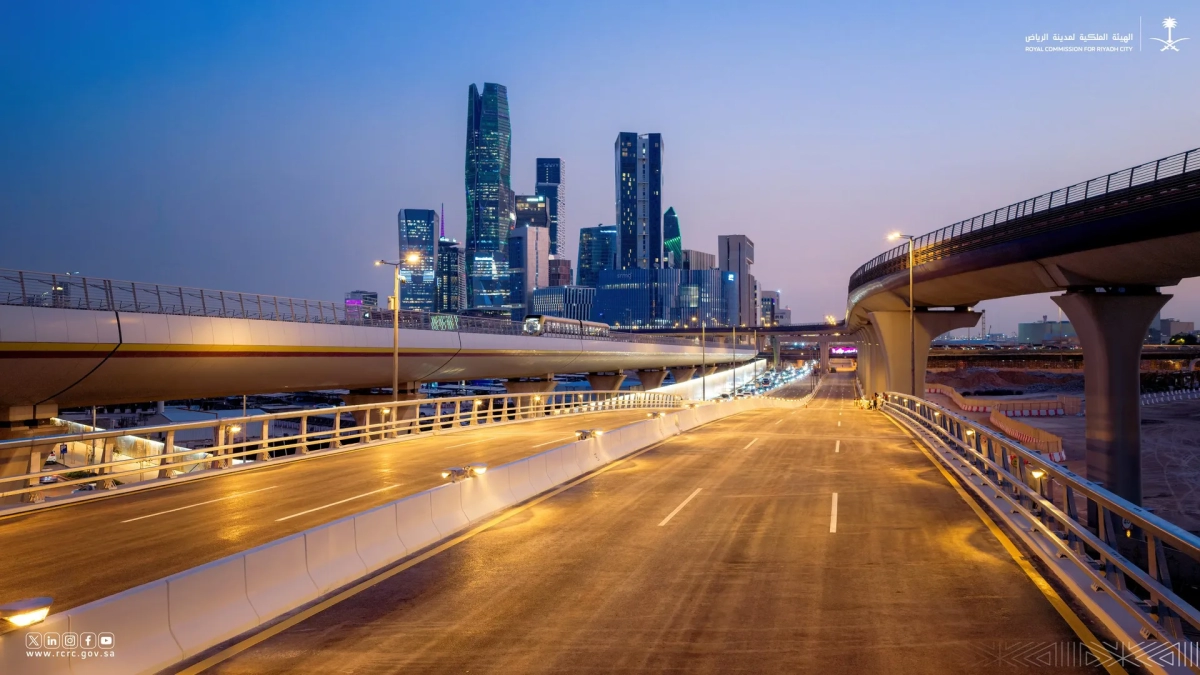
RIYADH — The Royal Commission for Riyadh City (RCRC) has signed contracts worth approximately SR5.5 billion to purchase 94 additional trains for the Riyadh Metro, increasing the network’s passenger capacity by 60%.The new trains will expand the metro fleet from 183 to 277, with deliveries scheduled to begin in phases in 2028, RCRC announced Tuesday.The expansion is designed to accommodate growing demand for public transportation ahead of Expo 2030 Riyadh and the 2034 FIFA World Cup, as well as the continued development of residential, commercial and entertainment destinations across the capital.German engineering company Siemens and French rail manufacturer Alstom will execute the contracts, covering train manufacturing, onboard systems, equipment and associated services.The additional trains will be allocated across the network’s six lines according to passenger demand and projected ridership.The Red Line will see the largest capacity increase at 142%, followed by the Yellow Line at 116% and the Blue Line at 60%. Capacity will also rise by 27% on the Orange Line and 16% on the Purple Line.According to RCRC, daily passenger capacity on the Blue Line will increase from approximately 340,000 to 533,000, while the Red Line’s capacity will rise from 154,000 to 370,000 passengers.The Yellow Line’s capacity will more than double, increasing from 133,000 to over 288,000 passengers per day.The authority said the Riyadh Metro network was designed from the outset to accommodate additional trains and allow for gradual capacity expansion as ridership grows.The new trains will undergo testing and operational trials before entering service in phases, depending on the readiness of each delivery batch.RCRC CEO Ibrahim Al-Sultan revealed during the 37th Government Press Conference on Monday that the metro has carried more than 300 million passengers since operations began.Average metro ridership increased by approximately 25% between January and September 2026 compared with the same period in 2025.Total usage of Riyadh’s public transportation network, including buses and the metro, is approaching 500 million passenger journeys, while students at schools and universities have accounted for more than 20 million journeys.An RCRC survey found that 83% of Riyadh Metro passengers use the network daily, reflecting its growing role in commuting to workplaces, educational institutions and commercial destinations.Al-Sultan also announced progress on extending the Red Line from King Saud University to Diriyah, adding five stations, including two serving the university and its Medical City and three serving Diriyah.Beyond the metro expansion, Al-Sultan outlined major road infrastructure projects aimed at improving traffic flow and connectivity across the capital.The Main and Ring Road Axes Development Program covers approximately 700 kilometers of roads and more than 330 major intersections, including the construction of over 300 bridges and 80 tunnels.He said construction progress had reached 81% on the project linking Taif Road with Qiddiya, 45% on the Second Southern Ring Road and 42% on the two bridges being built parallel to Riyadh’s Suspension Bridge.RCRC is also implementing traffic engineering improvements at 26 critical locations and upgrading traffic signals at 720 intersections, which will be connected to a unified traffic control center.The authority is simultaneously advancing major environmental and urban development initiatives, including the Green Riyadh Program, under which more than 4.5 million trees have been planted.RIYADH — The Royal Commission for Riyadh City (RCRC) has signed contracts worth approximately SR5.5 billion to purchase 94 additional trains for the Riyadh Metro, increasing the network’s passenger capacity by 60%.The new trains will expand the metro fleet from 183 to 277, with deliveries scheduled to begin in phases in 2028, RCRC announced Tuesday.The expansion is designed to accommodate growing demand for public transportation ahead of Expo 2030 Riyadh and the 2034 FIFA World Cup, as well as the continued development of residential, commercial and entertainment destinations across the capital.German engineering company Siemens and French rail manufacturer Alstom will execute the contracts, covering train manufacturing, onboard systems, equipment and associated services.The additional trains will be allocated across the network’s six lines according to passenger demand and projected ridership.The Red Line will see the largest capacity increase at 142%, followed by the Yellow Line at 116% and the Blue Line at 60%. Capacity will also rise by 27% on the Orange Line and 16% on the Purple Line.According to RCRC, daily passenger capacity on the Blue Line will increase from approximately 340,000 to 533,000, while the Red Line’s capacity will rise from 154,000 to 370,000 passengers.The Yellow Line’s capacity will more than double, increasing from 133,000 to over 288,000 passengers per day.The authority said the Riyadh Metro network was designed from the outset to accommodate additional trains and allow for gradual capacity expansion as ridership grows.The new trains will undergo testing and operational trials before entering service in phases, depending on the readiness of each delivery batch.RCRC CEO Ibrahim Al-Sultan revealed during the 37th Government Press Conference on Monday that the metro has carried more than 300 million passengers since operations began.Average metro ridership increased by approximately 25% between January and September 2026 compared with the same period in 2025.Total usage of Riyadh’s public transportation network, including buses and the metro, is approaching 500 million passenger journeys, while students at schools and universities have accounted for more than 20 million journeys.An RCRC survey found that 83% of Riyadh Metro passengers use the network daily, reflecting its growing role in commuting to workplaces, educational institutions and commercial destinations.Al-Sultan also announced progress on extending the Red Line from King Saud University to Diriyah, adding five stations, including two serving the university and its Medical City and three serving Diriyah.Beyond the metro expansion, Al-Sultan outlined major road infrastructure projects aimed at improving traffic flow and connectivity across the capital.The Main and Ring Road Axes Development Program covers approximately 700 kilometers of roads and more than 330 major intersections, including the construction of over 300 bridges and 80 tunnels.He said construction progress had reached 81% on the project linking Taif Road with Qiddiya, 45% on the Second Southern Ring Road and 42% on the two bridges being built parallel to Riyadh’s Suspension Bridge.RCRC is also implementing traffic engineering improvements at 26 critical locations and upgrading traffic signals at 720 intersections, which will be connected to a unified traffic control center.The authority is simultaneously advancing major environmental and urban development initiatives, including the Green Riyadh Program, under which more than 4.5 million trees have been planted.
Riyadh Metro to add 94 trains in SR5.5 billion expansion, boosting capacity by 60%