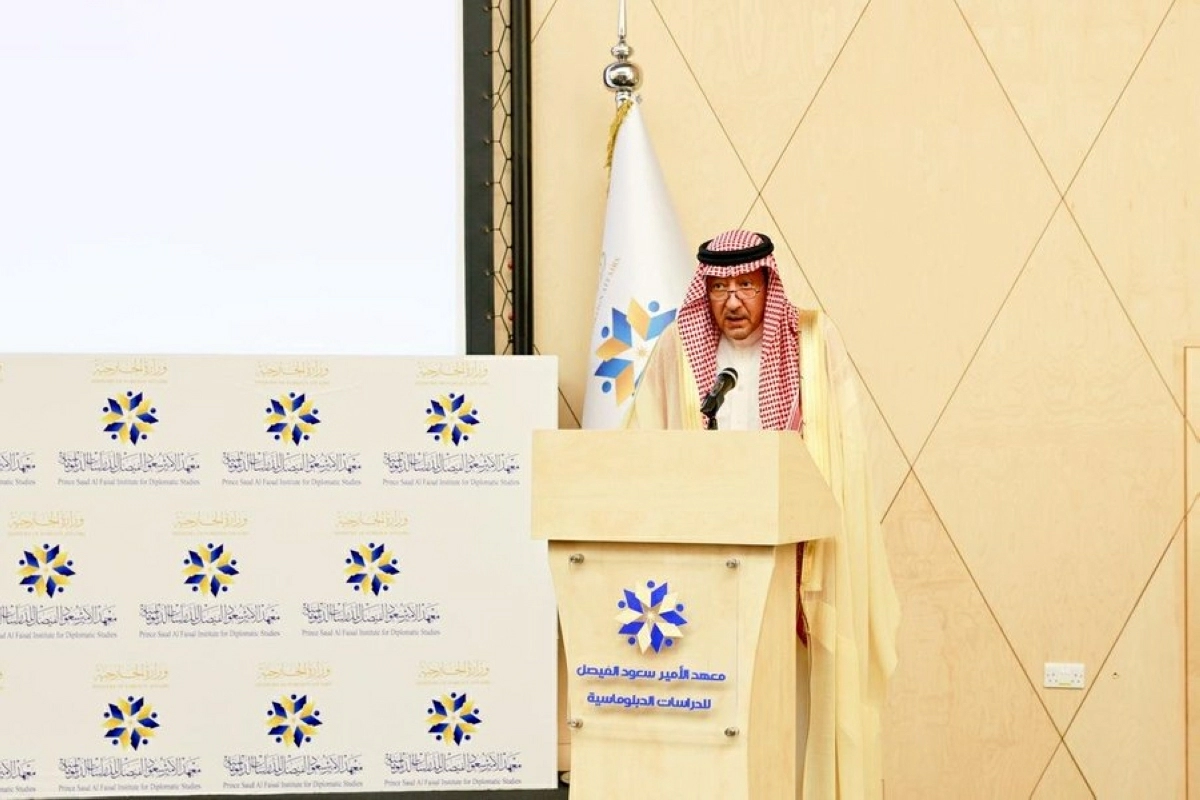

RIYADH — Deputy Foreign Minister Waleed El-Khereiji reaffirmed Saudi Arabia’s longstanding commitment to assisting those affected by crises and providing humanitarian relief worldwide without discrimination during a seminar marking World Refugee Day. The seminar, organized by the Prince Saud Al Faisal Institute for Diplomatic Studies on Sunday, highlighted the Kingdom’s continued humanitarian, political, and economic role, which El-Khereiji said is rooted in the principles of moderation and responsibility. He stated that the Kingdom’s position on refugee issues at the international level is clear, explaining that “it is based on intensifying efforts to resolve conflicts and address crises at their roots to prevent severe humanitarian consequences that lead to refugee flows.” He added that “it also includes supporting the conditions of refugees and forcibly displaced persons so they can return safely and with dignity to their homes and homelands.” **media[2726330]** El-Khereiji also renewed the Kingdom’s call for the international community to fulfill its role by demonstrating solidarity and cooperation to support stability, security, and peace in regions affected by unrest and crises, thereby encouraging refugees to return to their countries. He added that Saudi Arabia “supports efforts aimed at easing the pressures and burdens on host countries of refugees and displaced persons while promoting refugees’ self-reliance.” The Deputy Minister explained that Saudi Arabia does not regard Yemenis, Syrians, and Rohingya residing in the Kingdom as refugees. Instead, they have been granted “visitor” status on humanitarian grounds, ensuring them freedom of movement, the right to work, and access to free healthcare services, in addition to various facilitations and exemptions. **media[2726329]** He also highlighted the Kingdom’s longstanding cooperation with the United Nations High Commissioner for Refugees (UNHCR) and its generous support as a member of the agency’s major donor club. Support provided to visitors residing in the Kingdom has exceeded $20 billion, while assistance to refugees worldwide has surpassed $1.2 billion and support for displaced persons globally has exceeded $2 billion, including funding for programs implemented in partnership with UNHCR, making Saudi Arabia one of the world’s leading contributors to humanitarian and development assistance. To conclude, El-Khereiji stressed the importance of developing regional partnerships, adopting sustainable solutions, anticipating future challenges, and leveraging knowledge to create more comprehensive and effective policies for addressing refugee issues worldwide.RIYADH — Deputy Foreign Minister Waleed El-Khereiji reaffirmed Saudi Arabia’s longstanding commitment to assisting those affected by crises and providing humanitarian relief worldwide without discrimination during a seminar marking World Refugee Day. The seminar, organized by the Prince Saud Al Faisal Institute for Diplomatic Studies on Sunday, highlighted the Kingdom’s continued humanitarian, political, and economic role, which El-Khereiji said is rooted in the principles of moderation and responsibility. He stated that the Kingdom’s position on refugee issues at the international level is clear, explaining that “it is based on intensifying efforts to resolve conflicts and address crises at their roots to prevent severe humanitarian consequences that lead to refugee flows.” He added that “it also includes supporting the conditions of refugees and forcibly displaced persons so they can return safely and with dignity to their homes and homelands.” **media[2726330]** El-Khereiji also renewed the Kingdom’s call for the international community to fulfill its role by demonstrating solidarity and cooperation to support stability, security, and peace in regions affected by unrest and crises, thereby encouraging refugees to return to their countries. He added that Saudi Arabia “supports efforts aimed at easing the pressures and burdens on host countries of refugees and displaced persons while promoting refugees’ self-reliance.” The Deputy Minister explained that Saudi Arabia does not regard Yemenis, Syrians, and Rohingya residing in the Kingdom as refugees. Instead, they have been granted “visitor” status on humanitarian grounds, ensuring them freedom of movement, the right to work, and access to free healthcare services, in addition to various facilitations and exemptions. **media[2726329]** He also highlighted the Kingdom’s longstanding cooperation with the United Nations High Commissioner for Refugees (UNHCR) and its generous support as a member of the agency’s major donor club. Support provided to visitors residing in the Kingdom has exceeded $20 billion, while assistance to refugees worldwide has surpassed $1.2 billion and support for displaced persons globally has exceeded $2 billion, including funding for programs implemented in partnership with UNHCR, making Saudi Arabia one of the world’s leading contributors to humanitarian and development assistance. To conclude, El-Khereiji stressed the importance of developing regional partnerships, adopting sustainable solutions, anticipating future challenges, and leveraging knowledge to create more comprehensive and effective policies for addressing refugee issues worldwide.
Saudi Arabia renews call for global action on refugee crises, highlights billions in humanitarian support