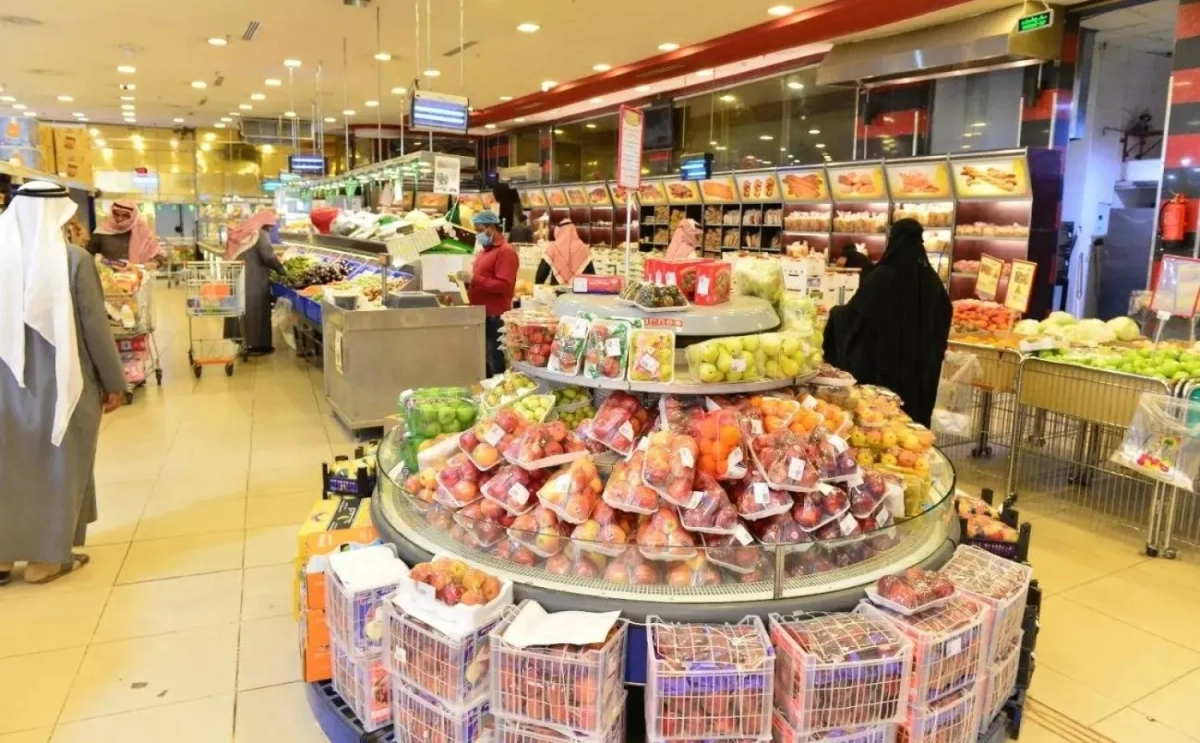

RIYADH — Saudi Arabia’s annual inflation rate remained steady at 1.9 percent in September 2026, while consumer prices were unchanged month-on-month. The stability comes amid risks to global trade and energy supplies arising from tensions along maritime routes, which could exert upward pressure on shipping costs and disrupt supply chains.Data released on Thursday by the General Authority for Statistics (GASTAT) showed that inflation or the Consumer Price Index (CPI) stood at 1.9 percent in September 2026 compared with the same month in 2025, while the Wholesale Price Index (WPI) rose by 4.2 percent year-on-year. However, the WPI recorded a marginal decline of 0.2 percent compared with August 2026.According to the GASTAT data, the increase in consumer prices was primarily attributable to higher costs in the housing, water, electricity, gas and other fuels sector, which rose by 3.6 percent, followed by transportation at 2.3 percent and food and beverages at 1.4 percent. Meanwhile, the CPI remained stable month-on-month, while wholesale prices registered a slight decline.The housing, water, electricity, gas and other fuels sector recorded a 3.6 percent annual increase in September 2026, driven by a 3.5 percent rise in actual housing rents. The personal care, social protection, and other goods and services sector posted the second-highest increase, rising by 3.3 percent. This was mainly driven by an 11.9 percent increase in the prices of other personal effects, reflecting a 12.9 percent rise in jewelry and watch prices. Prices in the recreation, sports and culture sector also increased by 2.5 percent, largely due to a 4.5 percent rise in holiday package prices. In contrast, prices in the furniture, household appliances and routine household maintenance sector declined by 0.5 percent, while clothing and footwear prices fell by 0.4 percent.The housing, water, electricity, gas and other fuels sector made the largest contribution to annual inflation, accounting for 0.7 percentage points. The food and beverages sector and the transportation sector each contributed 0.3 percentage points. The personal care, social protection, and other goods and services category contributed 0.2 percentage points, while all remaining categories collectively accounted for another 0.3 percentage points.On a monthly basis, the CPI remained unchanged in September 2026 compared with August, reflecting mixed price movements across the main expenditure categories. Prices in the housing, water, electricity, gas and other fuels sector rose by 0.1 percent, supported by a 0.2 percent increase in actual housing rents. Food and beverage prices also increased by 0.1 percent, as did prices in the personal care, social protection, and other goods and services category. Education services recorded a 1.2 percent increase.Conversely, transportation prices declined by 0.1 percent, while restaurant and accommodation prices fell by 0.5 percent. Prices in the recreation, sports and culture sector decreased by 0.6 percent, and those for furniture, household appliances and routine household maintenance fell by 0.2 percent. The Wholesale Price Index recorded a 4.2 percent year-on-year increase in September 2026, driven by price increases across all major categories, particularly other transportable goods, excluding metal products and machinery, as well as agricultural and fishing products.Prices of other transportable goods, excluding metal products and machinery, rose by 7.1 percent year-on-year in September 2026. The increase was driven by a 26.1 percent rise in basic chemical prices and a 2.6 percent increase in refined petroleum products and fuels. Agricultural and fishing product prices increased by 4.4 percent, reflecting a 5.6 percent rise in agricultural product prices and a 2.7 percent increase in the prices of live animals and animal products. Prices of food, beverages, tobacco and textiles rose by 1.3 percent, driven by a 2.2 percent increase in the prices of meat, fish, fruits, vegetables and oils, alongside a 0.7 percent rise in grain mill products, starches and other food products. Prices of metal products, machinery and equipment increased by 0.2 percent, supported by a 1.4 percent rise in electrical machinery and equipment prices and a 1.6 percent increase in radio, television and communication equipment and devices. Prices of ores and minerals rose by 2.2 percent, reflecting an equivalent increase in the prices of stones and sand. On a monthly basis, the Wholesale Price Index declined by 0.2 percent in September 2026 compared with August, primarily due to a 0.4 percent drop in the prices of other transportable goods, excluding metal products and machinery. The decline was driven by a 0.9 percent decrease in refined petroleum products and fuels and a 0.1 percent fall in the prices of pulp, paper, paper products and printed materials. Prices of metal products, machinery and equipment also fell by 0.1 percent, reflecting a 0.6 percent decline in basic metal prices. Food, beverages, tobacco and textile prices decreased by 0.1 percent, owing to a 0.3 percent drop in grain mill products, starches and other food products, as well as a 0.1 percent decline in beverage prices. In contrast, prices of agricultural and fishing products rose by 0.3 percent, driven by a 0.4 percent increase in agricultural product prices. Prices of ores and minerals also edged up by 0.1 percent, reflecting a similar increase in the prices of stones and sand.RIYADH — Saudi Arabia’s annual inflation rate remained steady at 1.9 percent in September 2026, while consumer prices were unchanged month-on-month. The stability comes amid risks to global trade and energy supplies arising from tensions along maritime routes, which could exert upward pressure on shipping costs and disrupt supply chains.Data released on Thursday by the General Authority for Statistics (GASTAT) showed that inflation or the Consumer Price Index (CPI) stood at 1.9 percent in September 2026 compared with the same month in 2025, while the Wholesale Price Index (WPI) rose by 4.2 percent year-on-year. However, the WPI recorded a marginal decline of 0.2 percent compared with August 2026.According to the GASTAT data, the increase in consumer prices was primarily attributable to higher costs in the housing, water, electricity, gas and other fuels sector, which rose by 3.6 percent, followed by transportation at 2.3 percent and food and beverages at 1.4 percent. Meanwhile, the CPI remained stable month-on-month, while wholesale prices registered a slight decline.The housing, water, electricity, gas and other fuels sector recorded a 3.6 percent annual increase in September 2026, driven by a 3.5 percent rise in actual housing rents. The personal care, social protection, and other goods and services sector posted the second-highest increase, rising by 3.3 percent. This was mainly driven by an 11.9 percent increase in the prices of other personal effects, reflecting a 12.9 percent rise in jewelry and watch prices. Prices in the recreation, sports and culture sector also increased by 2.5 percent, largely due to a 4.5 percent rise in holiday package prices. In contrast, prices in the furniture, household appliances and routine household maintenance sector declined by 0.5 percent, while clothing and footwear prices fell by 0.4 percent.The housing, water, electricity, gas and other fuels sector made the largest contribution to annual inflation, accounting for 0.7 percentage points. The food and beverages sector and the transportation sector each contributed 0.3 percentage points. The personal care, social protection, and other goods and services category contributed 0.2 percentage points, while all remaining categories collectively accounted for another 0.3 percentage points.On a monthly basis, the CPI remained unchanged in September 2026 compared with August, reflecting mixed price movements across the main expenditure categories. Prices in the housing, water, electricity, gas and other fuels sector rose by 0.1 percent, supported by a 0.2 percent increase in actual housing rents. Food and beverage prices also increased by 0.1 percent, as did prices in the personal care, social protection, and other goods and services category. Education services recorded a 1.2 percent increase.Conversely, transportation prices declined by 0.1 percent, while restaurant and accommodation prices fell by 0.5 percent. Prices in the recreation, sports and culture sector decreased by 0.6 percent, and those for furniture, household appliances and routine household maintenance fell by 0.2 percent. The Wholesale Price Index recorded a 4.2 percent year-on-year increase in September 2026, driven by price increases across all major categories, particularly other transportable goods, excluding metal products and machinery, as well as agricultural and fishing products.Prices of other transportable goods, excluding metal products and machinery, rose by 7.1 percent year-on-year in September 2026. The increase was driven by a 26.1 percent rise in basic chemical prices and a 2.6 percent increase in refined petroleum products and fuels. Agricultural and fishing product prices increased by 4.4 percent, reflecting a 5.6 percent rise in agricultural product prices and a 2.7 percent increase in the prices of live animals and animal products. Prices of food, beverages, tobacco and textiles rose by 1.3 percent, driven by a 2.2 percent increase in the prices of meat, fish, fruits, vegetables and oils, alongside a 0.7 percent rise in grain mill products, starches and other food products. Prices of metal products, machinery and equipment increased by 0.2 percent, supported by a 1.4 percent rise in electrical machinery and equipment prices and a 1.6 percent increase in radio, television and communication equipment and devices. Prices of ores and minerals rose by 2.2 percent, reflecting an equivalent increase in the prices of stones and sand. On a monthly basis, the Wholesale Price Index declined by 0.2 percent in September 2026 compared with August, primarily due to a 0.4 percent drop in the prices of other transportable goods, excluding metal products and machinery. The decline was driven by a 0.9 percent decrease in refined petroleum products and fuels and a 0.1 percent fall in the prices of pulp, paper, paper products and printed materials. Prices of metal products, machinery and equipment also fell by 0.1 percent, reflecting a 0.6 percent decline in basic metal prices. Food, beverages, tobacco and textile prices decreased by 0.1 percent, owing to a 0.3 percent drop in grain mill products, starches and other food products, as well as a 0.1 percent decline in beverage prices. In contrast, prices of agricultural and fishing products rose by 0.3 percent, driven by a 0.4 percent increase in agricultural product prices. Prices of ores and minerals also edged up by 0.1 percent, reflecting a similar increase in the prices of stones and sand.
Saudi inflation remains stable at 1.9% in September despite global shipping risks