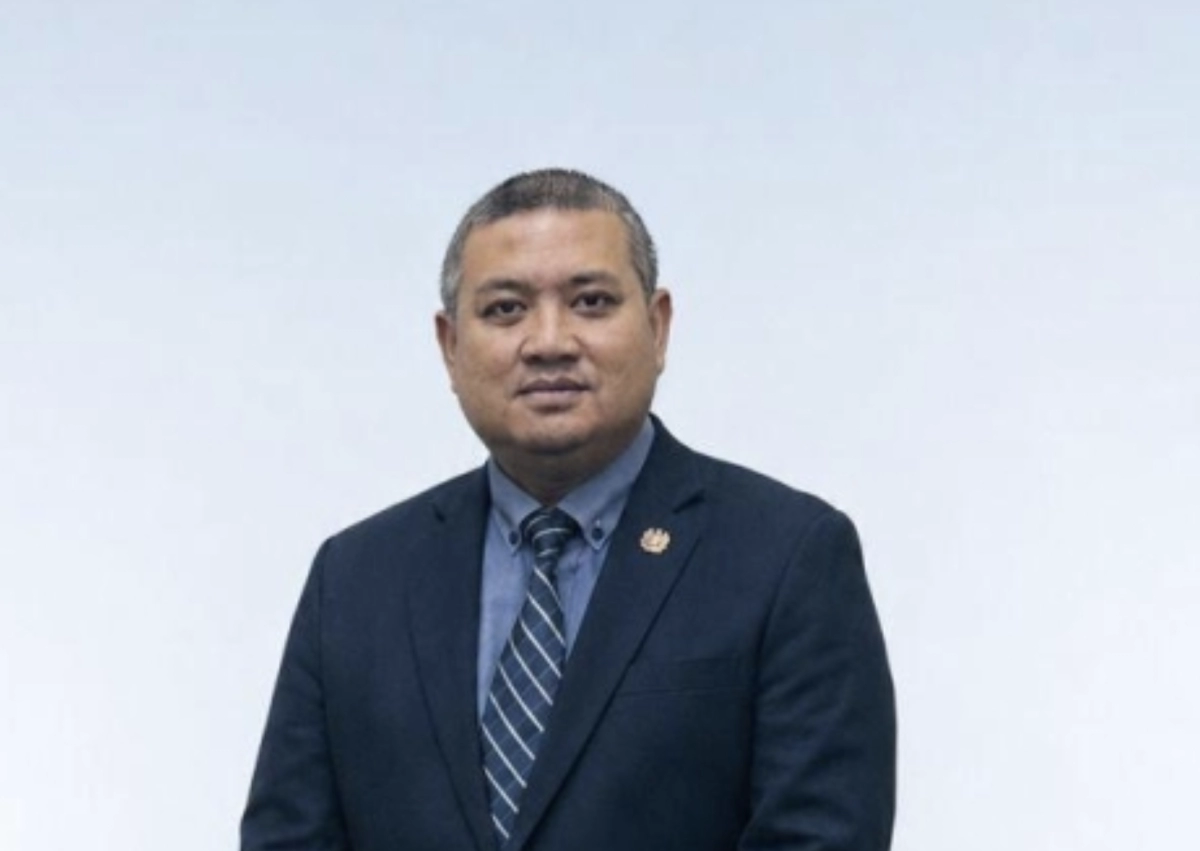
Malaysia and Saudi Arabia are strengthening their economic partnership across construction, infrastructure, facilities management, energy and the halal economy, as Saudi Vision 2030 creates new opportunities for Malaysian companies in the Kingdom. Marking Malaysia’s National Day, Tengku Datuk Mohd Dzaraif Raja Abdul Kadir, Consul General of Malaysia in Jeddah, highlighted the longstanding relationship between the two countries and the strong people-to-people ties underpinning it. “Malaysia and Saudi Arabia share a longstanding friendship built on mutual respect, trust, shared values and strong people-to-people connections. As we celebrate Malaysia’s National Day, we deeply appreciate the warmth and hospitality extended to Malaysians in the Kingdom, and the enduring bonds between our two peoples, particularly through Hajj and Umrah,” he said. Economic relations have continued to expand alongside these historic ties. As Saudi Arabia accelerates toward the goals of Vision 2030 and prepares to host major international events, including Expo 2030 Riyadh and the FIFA World Cup 2034, both countries are seeking to deepen government and private-sector cooperation. Government-to-government engagement is being advanced through the Saudi-Malaysian Coordination Council under its Trade and Investment Pillar, while business cooperation is supported by the Saudi-Malaysian Business Council and Malaysian-Saudi Business Council. Malaysia’s exports to Saudi Arabia rose 8.3% in 2024 to $1.62 billion, compared with $1.5 billion in 2023, supported in part by the supply of Malaysian Industrialised Building System (IBS) solutions for a NEOM facility. MGB Berhad, a Bursa Malaysia-listed construction and property development group, is among the Malaysian companies expanding in the Kingdom. Its capabilities span building construction, industrialised building systems, precast concrete manufacturing, property development and engineering solutions. Through MGB International, the group has established local precast manufacturing capabilities in Saudi Arabia and expanded from supplying IBS and precast components into installation, construction and main contracting works. MGB is participating in Saudi Arabia’s growing housing and infrastructure sector, including projects involving leading national developers such as ROSHN, while exploring opportunities in property development and other sectors aligned with Vision 2030. From Nov. 2 to 5, 20 Malaysian companies specialising in building materials and construction services will participate in the Malaysia Pavilion at Saudi Build 2026 at the Riyadh International Convention and Exhibition Center. Companies interested in potential collaborations can contact MATRADE Jeddah at jeddah@matrade.gov.my. Malaysian expertise is also expanding in facilities management. MEEM Facility Management (MEEM FM), a subsidiary of Malaysia’s UEM Edgenta operating in strategic partnership with Mohammed I. Alsubeaei & Sons Investment Company (MASIC), is positioning itself as a technology-enabled facilities management company in Saudi Arabia. Beginning with commercial assets, MEEM FM has expanded into education and is extending its capabilities into healthcare. Leveraging UEM Edgenta’s international expertise, particularly in healthcare asset and facilities management, the company aims to bring technology and global best practices to the Kingdom while supporting a more efficient and sustainable FM sector. “Relationships and trust are the foundations of doing business in Saudi Arabia. Lasting partnerships are built by creating value, sharing knowledge and investing in local talent,” said Rais Imran, Managing Director of UEM Edgenta Regional Headquarters – Middle East and CEO of MEEM Facility Management. Energy represents another longstanding area of cooperation. More than two decades ago, Malaysian utility company Tenaga Nasional Berhad (TNB) signed an agreement with ACWA Power to participate in Saudi Arabia’s independent water and power sector. As the Kingdom expands its renewable energy and desalination capacity, TNB is exploring further opportunities. Following a working visit to Riyadh in July, the company expressed interest in potential collaborations on new power projects. “The massive development of the Saudi power sector, especially renewable energy, is astonishing, with great potential for further growth on a bigger scale,” said Abdul Latif Abdul Razak, Head of Business Development (International) at TNB Genco. According to the latest statistics from Saudi Arabia’s General Authority for Statistics, Malaysia’s foreign direct investment stock in the Kingdom stood at SR2.86 billion ($760 million) at the end of 2024. Malaysian investments span utilities, building materials, travel services, central kitchens and food service outlets. Malaysia ranked as the Kingdom’s 41st-largest investor, with investment growing 21.2% since 2021. Saudi Arabia’s investment stock in Malaysia, meanwhile, stood at SR176 million ($46.9 million) at the end of 2024. The investment relationship could expand considerably following ACWA Power’s announcement that it is exploring clean-energy projects worth up to $10 billion (SR37.5 billion) in Malaysia, targeting 12.5 gigawatts of power generation capacity by 2040. The halal economy is also emerging as a significant area for cooperation. Expo 2030 Riyadh and the FIFA World Cup 2034 are expected to generate greater demand across Saudi Arabia’s tourism, hospitality and supply chains as the Kingdom prepares to welcome millions of international visitors.This growth is expected to create opportunities across halal food and beverages, cosmetics and hospitality amenities, and pharmaceuticals. The Public Investment Fund established the Halal Products Development Company (HPDC) to invest in the sector, localize the halal industry and strengthen Saudi Arabia’s position in the global halal market. Malaysia, with its established halal ecosystem, sees opportunities to contribute expertise, investment and business partnerships to the Kingdom’s expanding market. Saudi industry leaders, investors and stakeholders are invited to participate in the 22nd Malaysia International Halal Showcase (MIHAS 2026), to be held from Sept. 23 to 26 at the Malaysia International Trade and Exhibition Centre (MITEC). MIHAS brings together businesses from sectors including Islamic finance, pharmaceuticals, cosmetics and personal care, modest fashion, and food and beverages, providing opportunities for sourcing, research and development, technology partnerships and the exchange of industry best practices. Saudi companies and investors interested in MIHAS 2026 can contact MATRADE Jeddah for further information. Malaysian culinary diplomacy is also increasingly reaching Saudi and expatriate consumers, adding another dimension to a bilateral relationship that continues to expand from longstanding cultural and people-to-people ties into investment, technology and commercial partnerships. **media[2758419]**Malaysia and Saudi Arabia are strengthening their economic partnership across construction, infrastructure, facilities management, energy and the halal economy, as Saudi Vision 2030 creates new opportunities for Malaysian companies in the Kingdom. Marking Malaysia’s National Day, Tengku Datuk Mohd Dzaraif Raja Abdul Kadir, Consul General of Malaysia in Jeddah, highlighted the longstanding relationship between the two countries and the strong people-to-people ties underpinning it. “Malaysia and Saudi Arabia share a longstanding friendship built on mutual respect, trust, shared values and strong people-to-people connections. As we celebrate Malaysia’s National Day, we deeply appreciate the warmth and hospitality extended to Malaysians in the Kingdom, and the enduring bonds between our two peoples, particularly through Hajj and Umrah,” he said. Economic relations have continued to expand alongside these historic ties. As Saudi Arabia accelerates toward the goals of Vision 2030 and prepares to host major international events, including Expo 2030 Riyadh and the FIFA World Cup 2034, both countries are seeking to deepen government and private-sector cooperation. Government-to-government engagement is being advanced through the Saudi-Malaysian Coordination Council under its Trade and Investment Pillar, while business cooperation is supported by the Saudi-Malaysian Business Council and Malaysian-Saudi Business Council. Malaysia’s exports to Saudi Arabia rose 8.3% in 2024 to $1.62 billion, compared with $1.5 billion in 2023, supported in part by the supply of Malaysian Industrialised Building System (IBS) solutions for a NEOM facility. MGB Berhad, a Bursa Malaysia-listed construction and property development group, is among the Malaysian companies expanding in the Kingdom. Its capabilities span building construction, industrialised building systems, precast concrete manufacturing, property development and engineering solutions. Through MGB International, the group has established local precast manufacturing capabilities in Saudi Arabia and expanded from supplying IBS and precast components into installation, construction and main contracting works. MGB is participating in Saudi Arabia’s growing housing and infrastructure sector, including projects involving leading national developers such as ROSHN, while exploring opportunities in property development and other sectors aligned with Vision 2030. From Nov. 2 to 5, 20 Malaysian companies specialising in building materials and construction services will participate in the Malaysia Pavilion at Saudi Build 2026 at the Riyadh International Convention and Exhibition Center. Companies interested in potential collaborations can contact MATRADE Jeddah at jeddah@matrade.gov.my. Malaysian expertise is also expanding in facilities management. MEEM Facility Management (MEEM FM), a subsidiary of Malaysia’s UEM Edgenta operating in strategic partnership with Mohammed I. Alsubeaei & Sons Investment Company (MASIC), is positioning itself as a technology-enabled facilities management company in Saudi Arabia. Beginning with commercial assets, MEEM FM has expanded into education and is extending its capabilities into healthcare. Leveraging UEM Edgenta’s international expertise, particularly in healthcare asset and facilities management, the company aims to bring technology and global best practices to the Kingdom while supporting a more efficient and sustainable FM sector. “Relationships and trust are the foundations of doing business in Saudi Arabia. Lasting partnerships are built by creating value, sharing knowledge and investing in local talent,” said Rais Imran, Managing Director of UEM Edgenta Regional Headquarters – Middle East and CEO of MEEM Facility Management. Energy represents another longstanding area of cooperation. More than two decades ago, Malaysian utility company Tenaga Nasional Berhad (TNB) signed an agreement with ACWA Power to participate in Saudi Arabia’s independent water and power sector. As the Kingdom expands its renewable energy and desalination capacity, TNB is exploring further opportunities. Following a working visit to Riyadh in July, the company expressed interest in potential collaborations on new power projects. “The massive development of the Saudi power sector, especially renewable energy, is astonishing, with great potential for further growth on a bigger scale,” said Abdul Latif Abdul Razak, Head of Business Development (International) at TNB Genco. According to the latest statistics from Saudi Arabia’s General Authority for Statistics, Malaysia’s foreign direct investment stock in the Kingdom stood at SR2.86 billion ($760 million) at the end of 2024. Malaysian investments span utilities, building materials, travel services, central kitchens and food service outlets. Malaysia ranked as the Kingdom’s 41st-largest investor, with investment growing 21.2% since 2021. Saudi Arabia’s investment stock in Malaysia, meanwhile, stood at SR176 million ($46.9 million) at the end of 2024. The investment relationship could expand considerably following ACWA Power’s announcement that it is exploring clean-energy projects worth up to $10 billion (SR37.5 billion) in Malaysia, targeting 12.5 gigawatts of power generation capacity by 2040. The halal economy is also emerging as a significant area for cooperation. Expo 2030 Riyadh and the FIFA World Cup 2034 are expected to generate greater demand across Saudi Arabia’s tourism, hospitality and supply chains as the Kingdom prepares to welcome millions of international visitors.This growth is expected to create opportunities across halal food and beverages, cosmetics and hospitality amenities, and pharmaceuticals. The Public Investment Fund established the Halal Products Development Company (HPDC) to invest in the sector, localize the halal industry and strengthen Saudi Arabia’s position in the global halal market. Malaysia, with its established halal ecosystem, sees opportunities to contribute expertise, investment and business partnerships to the Kingdom’s expanding market. Saudi industry leaders, investors and stakeholders are invited to participate in the 22nd Malaysia International Halal Showcase (MIHAS 2026), to be held from Sept. 23 to 26 at the Malaysia International Trade and Exhibition Centre (MITEC). MIHAS brings together businesses from sectors including Islamic finance, pharmaceuticals, cosmetics and personal care, modest fashion, and food and beverages, providing opportunities for sourcing, research and development, technology partnerships and the exchange of industry best practices. Saudi companies and investors interested in MIHAS 2026 can contact MATRADE Jeddah for further information. Malaysian culinary diplomacy is also increasingly reaching Saudi and expatriate consumers, adding another dimension to a bilateral relationship that continues to expand from longstanding cultural and people-to-people ties into investment, technology and commercial partnerships. **media[2758419]**
Saudi-Malaysian business ties expand across construction, energy and halal sectors