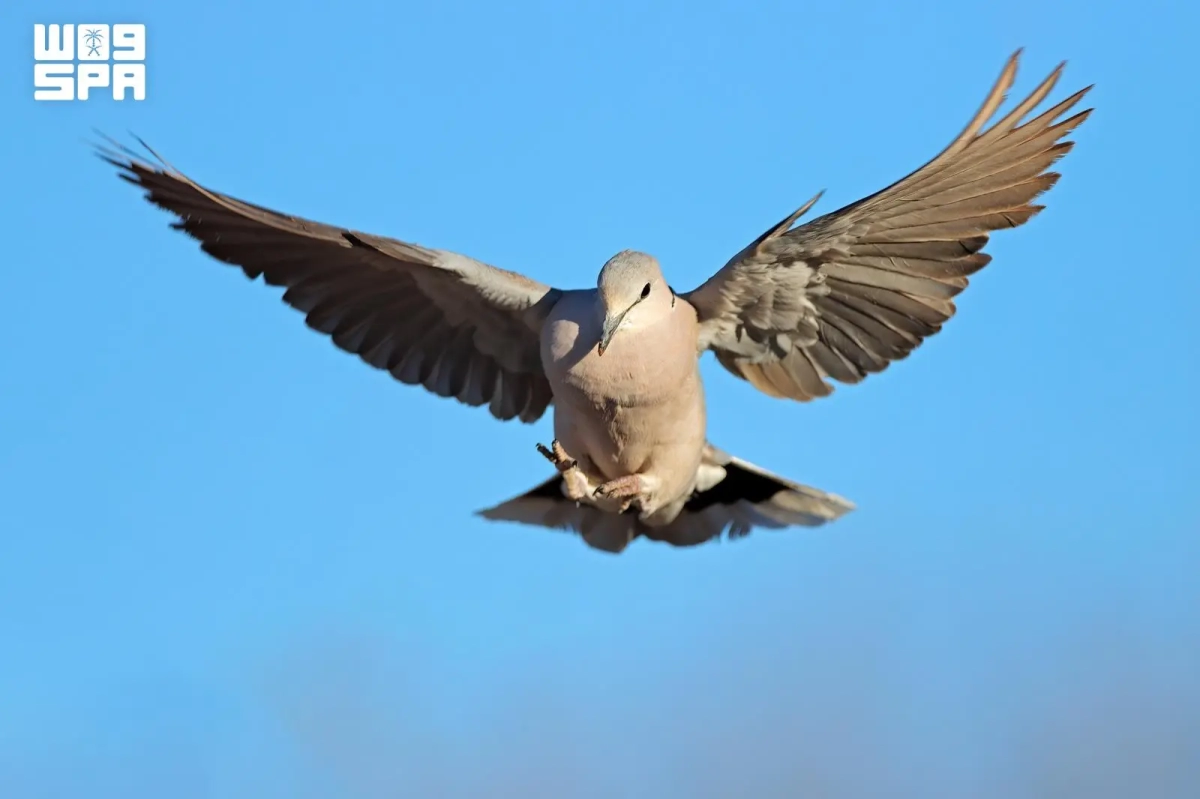

RIYADH — The National Center for Wildlife (NCW) announced the start of the 2026–2027 hunting season in Saudi Arabia on Tuesday, Sept.1, running through January 31, 2027. The new hunting season will be held under an advanced regulatory framework designed to promote sustainable hunting, conserve biodiversity and ecological balance, and ensure the sustainable use of natural resources in accordance with the Environment Law and its Executive Regulations. The sixth hunting season since the initiative began in 2021 introduces several regulatory updates, most notably increasing the number of species permitted for hunting to 30, raising the national hunting quota by 11 percent, and increasing the number of hunting licenses by 34 percent. Permits for species that can be hunted using falcons are also linked to a valid falcon ownership certificate or passport, enhancing the reliability of hunting data and strengthening compliance and regulation. **media[2759237]** NCW stated that sustainable terrestrial hunting during the designated season is limited exclusively to species approved for hunting and listed on NCW’s website and the Fitri platform. Hunters using licensed and permitted hunting rifles, specifically rifles that operate without gunpowder and propel projectiles using compressed gas or spring mechanisms, such as air and gas-powered rifles, as well as falconers registered with the Saudi Falcons Club, are required to obtain hunting permits through the Fitri platform. NCW emphasized that hunting threatened terrestrial wildlife species is permanently prohibited. Hunting of all wildlife species, including birds, is also prohibited in designated no-hunting areas. These include within the boundaries of cities, villages, farms, rest houses and other populated areas; near cities and military, industrial and critical facilities; within protected areas and major development projects such as NEOM, Qiddiya and the Red Sea Project; and along Saudi Arabia’s coastlines within a 20-kilometer inland buffer zone. **media[2759236]** NCW explained that hunting is restricted to legally permitted methods that ensure no more than one bird is taken at a time. Unauthorized methods are prohibited, including shotguns, hunting nets, and the use of attractants, calls, and similar practices. NCW called on hunters to comply with the Environment Law and the Executive Regulations for Hunting Terrestrial Wildlife, stressing that violations are subject to the penalties prescribed by law. The Ministry of Interior, represented by the Special Forces for Environmental Security and other relevant security authorities, coordinates with NCW to apprehend violators and refer them to the competent authorities for the necessary legal action. **media[2759238]** Dr. Mohammed Qurban, CEO of NCW, said that the sixth season of regulated hunting in Saudi Arabia reflects accumulated institutional knowledge and experience that have contributed to developing an advanced national model for sustainable hunting management. He explained that the previous five seasons have helped build a strong knowledge and data base, enabling NCW to further develop regulatory decisions and determine permitted species, quotas, and license numbers through a scientific methodology that considers the status of species, their capacity to recover, and the sustainability of their populations. He added that the updates introduced for the current season build on this approach and are informed by monitoring results, scientific studies and assessments of previous seasons, strengthening the balance between regulated hunting and the sustainability of species and ecosystems. Qurban emphasized that the increases in the number of species permitted for hunting, the national quota, and the number of licenses are based on a scientific methodology and continuous monitoring of species status. This enables the sustainable use of species whose status allows it, while maintaining the permanent prohibition on hunting threatened species and ensuring compliance with regulations governing species, locations, and hunting methods. He noted that progress achieved over previous seasons has contributed to greater awareness among hunters and strengthened a culture of compliance, stressing that the success of the sustainable hunting framework depends on the integration of regulation and enforcement with hunters’ awareness and adherence to the rules. Qurban emphasized that responsible, law-abiding hunters are partners in sustaining wildlife, and that greater awareness and compliance contribute to achieving a balance between hunting, the renewal of natural resources, and the sustainability of ecosystems. He explained that hunting regulations ensure the continuity of the practice within a sustainable framework, while indiscriminate and excessive hunting can deplete species and cause population declines. Compliance with designated quotas, species, hunting times, and permitted methods supports the renewal of wildlife resources for future generations. Qurban also noted that Saudi Arabia’s progress in regulating hunting has received international recognition. This was reflected in the Kingdom, represented by NCW, receiving the “Champion Plus for Migratory Species” award, following its earlier “Champion for Migratory Species” recognition. The award acknowledges the Kingdom’s contributions to supporting and leading initiatives addressing the illegal hunting, taking, and trade of migratory species, as well as its role in combating the illegal killing of birds in Southwest Asia.RIYADH — The National Center for Wildlife (NCW) announced the start of the 2026–2027 hunting season in Saudi Arabia on Tuesday, Sept.1, running through January 31, 2027. The new hunting season will be held under an advanced regulatory framework designed to promote sustainable hunting, conserve biodiversity and ecological balance, and ensure the sustainable use of natural resources in accordance with the Environment Law and its Executive Regulations. The sixth hunting season since the initiative began in 2021 introduces several regulatory updates, most notably increasing the number of species permitted for hunting to 30, raising the national hunting quota by 11 percent, and increasing the number of hunting licenses by 34 percent. Permits for species that can be hunted using falcons are also linked to a valid falcon ownership certificate or passport, enhancing the reliability of hunting data and strengthening compliance and regulation. **media[2759237]** NCW stated that sustainable terrestrial hunting during the designated season is limited exclusively to species approved for hunting and listed on NCW’s website and the Fitri platform. Hunters using licensed and permitted hunting rifles, specifically rifles that operate without gunpowder and propel projectiles using compressed gas or spring mechanisms, such as air and gas-powered rifles, as well as falconers registered with the Saudi Falcons Club, are required to obtain hunting permits through the Fitri platform. NCW emphasized that hunting threatened terrestrial wildlife species is permanently prohibited. Hunting of all wildlife species, including birds, is also prohibited in designated no-hunting areas. These include within the boundaries of cities, villages, farms, rest houses and other populated areas; near cities and military, industrial and critical facilities; within protected areas and major development projects such as NEOM, Qiddiya and the Red Sea Project; and along Saudi Arabia’s coastlines within a 20-kilometer inland buffer zone. **media[2759236]** NCW explained that hunting is restricted to legally permitted methods that ensure no more than one bird is taken at a time. Unauthorized methods are prohibited, including shotguns, hunting nets, and the use of attractants, calls, and similar practices. NCW called on hunters to comply with the Environment Law and the Executive Regulations for Hunting Terrestrial Wildlife, stressing that violations are subject to the penalties prescribed by law. The Ministry of Interior, represented by the Special Forces for Environmental Security and other relevant security authorities, coordinates with NCW to apprehend violators and refer them to the competent authorities for the necessary legal action. **media[2759238]** Dr. Mohammed Qurban, CEO of NCW, said that the sixth season of regulated hunting in Saudi Arabia reflects accumulated institutional knowledge and experience that have contributed to developing an advanced national model for sustainable hunting management. He explained that the previous five seasons have helped build a strong knowledge and data base, enabling NCW to further develop regulatory decisions and determine permitted species, quotas, and license numbers through a scientific methodology that considers the status of species, their capacity to recover, and the sustainability of their populations. He added that the updates introduced for the current season build on this approach and are informed by monitoring results, scientific studies and assessments of previous seasons, strengthening the balance between regulated hunting and the sustainability of species and ecosystems. Qurban emphasized that the increases in the number of species permitted for hunting, the national quota, and the number of licenses are based on a scientific methodology and continuous monitoring of species status. This enables the sustainable use of species whose status allows it, while maintaining the permanent prohibition on hunting threatened species and ensuring compliance with regulations governing species, locations, and hunting methods. He noted that progress achieved over previous seasons has contributed to greater awareness among hunters and strengthened a culture of compliance, stressing that the success of the sustainable hunting framework depends on the integration of regulation and enforcement with hunters’ awareness and adherence to the rules. Qurban emphasized that responsible, law-abiding hunters are partners in sustaining wildlife, and that greater awareness and compliance contribute to achieving a balance between hunting, the renewal of natural resources, and the sustainability of ecosystems. He explained that hunting regulations ensure the continuity of the practice within a sustainable framework, while indiscriminate and excessive hunting can deplete species and cause population declines. Compliance with designated quotas, species, hunting times, and permitted methods supports the renewal of wildlife resources for future generations. Qurban also noted that Saudi Arabia’s progress in regulating hunting has received international recognition. This was reflected in the Kingdom, represented by NCW, receiving the “Champion Plus for Migratory Species” award, following its earlier “Champion for Migratory Species” recognition. The award acknowledges the Kingdom’s contributions to supporting and leading initiatives addressing the illegal hunting, taking, and trade of migratory species, as well as its role in combating the illegal killing of birds in Southwest Asia.
Sixth Hunting Season begins in Saudi Arabia under strict regulations