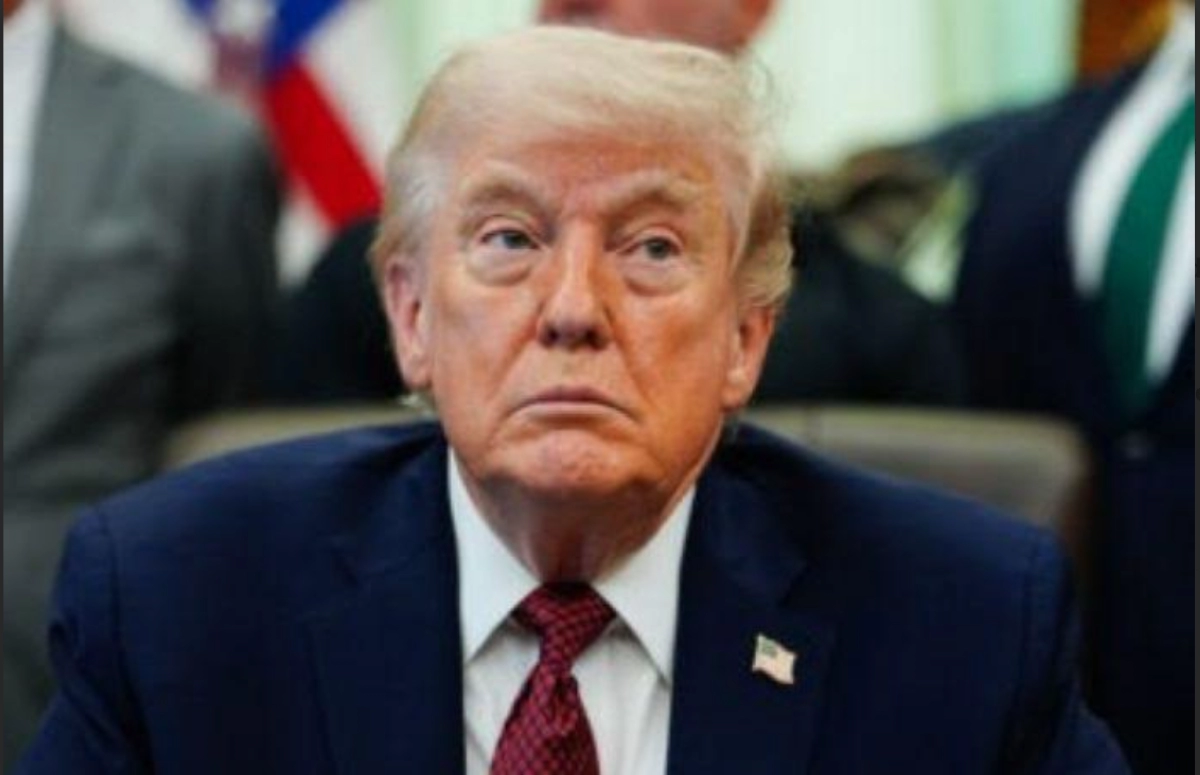

WASHINGTON — President Donald Trump said on Monday that a ceasefire with Iran was “on life support” after rejecting Tehran’s response to a US proposal to end the war. Iran said its reply to the US proposal to end the war was a “generous and responsible” response focused on lifting the blockade on the Strait of Hormuz. It also said decisions on its nuclear program would be left until “the time is right.” But Trump called Iran’s counteroffer “a piece of garbage,” saying he didn’t even bother reading the entire document. Speaking to Fox News, Trump said Washington would continue to pressure Tehran until a deal is reached, adding that Iran would eventually “surrender.” He indicated that if resumed, Project Freedom would expand beyond escorting commercial vessels through the Strait of Hormuz. The operation was launched last week to help free ships stranded in the vital waterway before being suspended about 48 hours later to allow space for diplomatic efforts. Iran has called for an end to the war on all fronts, including Lebanon, where US ally Israel is fighting Iran-backed Hezbollah militants. Tehran also demanded compensation for war damage, an end to the US naval blockade, a guarantee of no further attacks, and resumption of Iranian oil sales. Tehran also emphasized its sovereignty over the Strait of Hormuz, where it has shut down shipping traffic that normally carries one-fifth of the world’s oil and gas supply. Trump said Iran’s response threatened the status of a ceasefire that has been in place since April 7. “I would call it the weakest right now, after reading that piece of garbage they sent us. I didn’t even finish reading it,” said Trump, who has repeatedly threatened to end the ceasefire. The US had proposed an end to fighting before starting talks on more contentious issues, including Iran’s nuclear program. Trump has demanded a major rollback of Iran’s nuclear activities, while Iran is pushing for a more limited agreement that would reopen the strait and lift the blockade ahead of further negotiations. On Monday, Trump claimed that Iran had said it would allow the US to come in and help extract its highly enriched uranium but went back on that in its latest ceasefire proposal. “They changed their mind because they didn’t put it in the paper,” he said. Iran has not publicly agreed to give up its uranium, saying it has a right to enrich and that its nuclear program is entirely peaceful. “Our demand is legitimate,” Iran’s Foreign Ministry spokesperson Esmaeil Baghaei said on Monday. Iran’s parliament speaker Mohammad Baqer Qalibaf said that Iran’s armed forces are ready to respond decisively to any “act of aggression”. Brent crude oil futures were up 3% to more than $104 a barrel, as the deadlock left the Strait of Hormuz largely closed. Before the war began on February 28, the narrow waterway carried one-fifth of the world’s oil and liquefied natural gas, and has since become a central pressure point in the conflict. Disruption caused by the near-closure of the strait has forced oil producers to cut exports, and OPEC oil output dropped further in April to the lowest in more than two decades, a Reuters survey showed on Monday. The United States on Monday imposed new sanctions on individuals and companies it said were helping Iran ship oil to China, part of efforts to cut off funding for Tehran’s military and nuclear programs, while also warning banks about attempts to evade existing curbs. Traffic through the Strait of Hormuz is at a trickle compared with before the war. Shipping data on Kpler and LSEG showed that three tankers laden with crude exited the waterway last week, with trackers switched off to avoid an Iranian attack. A second Qatari LNG tanker was attempting to transit the strait, the data showed, days after the first such cargo crossed under an arrangement involving Iran and Pakistan. Sporadic flare-ups around the strait in recent days have tested the ceasefire. In the US, surveys show the war is unpopular with voters facing higher gasoline prices less than six months before nationwide elections that will determine whether Trump’s Republican Party retains control of Congress. Two out of three Americans think Trump has not clearly explained why the country has gone to war, according to a Reuters/Ipsos poll completed on Monday. More than two months into a conflict that began February 28 with a US-Israeli bombing campaign, some 66% of poll respondents, including one in three Republicans and almost all Democrats, said Trump has not “clearly explained the goals of US military involvement in Iran.” Iran’s Qalibaf seized on the mounting discontent in the US, warning that a prolonged war would deepen the burden on Americans. “The longer they drag their feet, the more American taxpayers will pay for it,” he said in his post on X. Washington has also struggled to build international support, with NATO allies refusing to send ships to reopen the waterway without a full peace deal and an internationally mandated mission. Hakan Fidan, the foreign minister of Turkey, which has been liaising closely with the US, Iran and mediator Pakistan since the start of the war, will hold talks in Qatar on Tuesday on the conflict and on ensuring navigational safety in the strait, a Turkish diplomatic source said. The war is also exposing rifts within the Middle East, with some US allies taking a more direct role in the conflict. The United Arab Emirates, which has borne the brunt of Iranian counterattacks, has carried out military strikes on Iran, the Wall Street Journal reported on Monday, citing people familiar with the matter. The strikes, which the UAE has not publicly acknowledged, included an attack on a refinery on Iran’s Lavan Island last month, the Journal said. At the time of the April 8 strike on Lavan, the National Iranian Oil Refining and Distribution Company called it an “enemy attack.” The next day, Iran’s Mizan news agency reported it was carried out by Mirage fighter jets used by the UAE.Trump is expected to arrive in Beijing on Wednesday, where Iran is set to be among the topics discussed with Chinese President Xi Jinping. Two regional diplomats familiar with the ongoing talks said that Pakistan was continuing its efforts to broker a compromise. One of the diplomats said Pakistan was trying to arrange a memorandum of understanding aimed at ending the war and paving the way for a broader dialogue on issues where the two sides remain divided. Pakistan had hoped to help finalize the memorandum last week, but the effort did not materialize, and mediators are still working on various proposals, the diplomat said. The diplomat, speaking on condition of anonymity to discuss the behind-the-scenes diplomacy, added that Islamabad is receiving support from other regional countries in its peace efforts. Meanwhile, Iran executed another man it accused of spying for both the CIA and Israel’s Mossad intelligence service. Iran’s state-run IRNA news agency said Erfan Shakourzadeh had worked on satellite communications and relayed classified information to those intelligence services.WASHINGTON — President Donald Trump said on Monday that a ceasefire with Iran was “on life support” after rejecting Tehran’s response to a US proposal to end the war. Iran said its reply to the US proposal to end the war was a “generous and responsible” response focused on lifting the blockade on the Strait of Hormuz. It also said decisions on its nuclear program would be left until “the time is right.” But Trump called Iran’s counteroffer “a piece of garbage,” saying he didn’t even bother reading the entire document. Speaking to Fox News, Trump said Washington would continue to pressure Tehran until a deal is reached, adding that Iran would eventually “surrender.” He indicated that if resumed, Project Freedom would expand beyond escorting commercial vessels through the Strait of Hormuz. The operation was launched last week to help free ships stranded in the vital waterway before being suspended about 48 hours later to allow space for diplomatic efforts. Iran has called for an end to the war on all fronts, including Lebanon, where US ally Israel is fighting Iran-backed Hezbollah militants. Tehran also demanded compensation for war damage, an end to the US naval blockade, a guarantee of no further attacks, and resumption of Iranian oil sales. Tehran also emphasized its sovereignty over the Strait of Hormuz, where it has shut down shipping traffic that normally carries one-fifth of the world’s oil and gas supply. Trump said Iran’s response threatened the status of a ceasefire that has been in place since April 7. “I would call it the weakest right now, after reading that piece of garbage they sent us. I didn’t even finish reading it,” said Trump, who has repeatedly threatened to end the ceasefire. The US had proposed an end to fighting before starting talks on more contentious issues, including Iran’s nuclear program. Trump has demanded a major rollback of Iran’s nuclear activities, while Iran is pushing for a more limited agreement that would reopen the strait and lift the blockade ahead of further negotiations. On Monday, Trump claimed that Iran had said it would allow the US to come in and help extract its highly enriched uranium but went back on that in its latest ceasefire proposal. “They changed their mind because they didn’t put it in the paper,” he said. Iran has not publicly agreed to give up its uranium, saying it has a right to enrich and that its nuclear program is entirely peaceful. “Our demand is legitimate,” Iran’s Foreign Ministry spokesperson Esmaeil Baghaei said on Monday. Iran’s parliament speaker Mohammad Baqer Qalibaf said that Iran’s armed forces are ready to respond decisively to any “act of aggression”. Brent crude oil futures were up 3% to more than $104 a barrel, as the deadlock left the Strait of Hormuz largely closed. Before the war began on February 28, the narrow waterway carried one-fifth of the world’s oil and liquefied natural gas, and has since become a central pressure point in the conflict. Disruption caused by the near-closure of the strait has forced oil producers to cut exports, and OPEC oil output dropped further in April to the lowest in more than two decades, a Reuters survey showed on Monday. The United States on Monday imposed new sanctions on individuals and companies it said were helping Iran ship oil to China, part of efforts to cut off funding for Tehran’s military and nuclear programs, while also warning banks about attempts to evade existing curbs. Traffic through the Strait of Hormuz is at a trickle compared with before the war. Shipping data on Kpler and LSEG showed that three tankers laden with crude exited the waterway last week, with trackers switched off to avoid an Iranian attack. A second Qatari LNG tanker was attempting to transit the strait, the data showed, days after the first such cargo crossed under an arrangement involving Iran and Pakistan. Sporadic flare-ups around the strait in recent days have tested the ceasefire. In the US, surveys show the war is unpopular with voters facing higher gasoline prices less than six months before nationwide elections that will determine whether Trump’s Republican Party retains control of Congress. Two out of three Americans think Trump has not clearly explained why the country has gone to war, according to a Reuters/Ipsos poll completed on Monday. More than two months into a conflict that began February 28 with a US-Israeli bombing campaign, some 66% of poll respondents, including one in three Republicans and almost all Democrats, said Trump has not “clearly explained the goals of US military involvement in Iran.” Iran’s Qalibaf seized on the mounting discontent in the US, warning that a prolonged war would deepen the burden on Americans. “The longer they drag their feet, the more American taxpayers will pay for it,” he said in his post on X. Washington has also struggled to build international support, with NATO allies refusing to send ships to reopen the waterway without a full peace deal and an internationally mandated mission. Hakan Fidan, the foreign minister of Turkey, which has been liaising closely with the US, Iran and mediator Pakistan since the start of the war, will hold talks in Qatar on Tuesday on the conflict and on ensuring navigational safety in the strait, a Turkish diplomatic source said. The war is also exposing rifts within the Middle East, with some US allies taking a more direct role in the conflict. The United Arab Emirates, which has borne the brunt of Iranian counterattacks, has carried out military strikes on Iran, the Wall Street Journal reported on Monday, citing people familiar with the matter. The strikes, which the UAE has not publicly acknowledged, included an attack on a refinery on Iran’s Lavan Island last month, the Journal said. At the time of the April 8 strike on Lavan, the National Iranian Oil Refining and Distribution Company called it an “enemy attack.” The next day, Iran’s Mizan news agency reported it was carried out by Mirage fighter jets used by the UAE.Trump is expected to arrive in Beijing on Wednesday, where Iran is set to be among the topics discussed with Chinese President Xi Jinping. Two regional diplomats familiar with the ongoing talks said that Pakistan was continuing its efforts to broker a compromise. One of the diplomats said Pakistan was trying to arrange a memorandum of understanding aimed at ending the war and paving the way for a broader dialogue on issues where the two sides remain divided. Pakistan had hoped to help finalize the memorandum last week, but the effort did not materialize, and mediators are still working on various proposals, the diplomat said. The diplomat, speaking on condition of anonymity to discuss the behind-the-scenes diplomacy, added that Islamabad is receiving support from other regional countries in its peace efforts. Meanwhile, Iran executed another man it accused of spying for both the CIA and Israel’s Mossad intelligence service. Iran’s state-run IRNA news agency said Erfan Shakourzadeh had worked on satellite communications and relayed classified information to those intelligence services.
Trump says Iran ceasefire is 'on life support' as hopes for deal fade