
DUBAI — US President Donald Trump said on Wednesday that Iran is taking “too long to negotiate a deal” and that “now they will have to pay the price.”Trump made the comment on his Truth Social platform.Trump wrote: “Iran is all talk and no action. The Bully of the Middle East is DEAD!!! They’ve taken too long to negotiate a deal that would have been great for them, now they will have to pay the price!!!”The president did not specify what “the price” would entail but it comes after the US and Iran exchanged fire earlier Wednesday.The United States launched airstrikes early Wednesday against Iran after blaming Tehran for the crash of an American attack helicopter, and Iran fired back at countries in the region — another escalation that threatened to derail efforts to end the war.Iran has provoked condemnation from other countries in the Middle East region after it launched retaliatory strikes on US targets in neighboring countries.Bahrain, Kuwait and Jordan — all of which host US troops — came under Iranian fire. It was the second time this week that back-and-forth strikes have tested the ceasefire after Iran and Israel targeted each other on Monday, and it again raised the question of how much pressure the deal can take before it cracks.Meanwhile, a Qatari delegation traveled to Tehran on Wednesday morning to meet Iranian negotiators in an effort to bridge remaining gaps in a potential agreement with the United States, a diplomatic source with knowledge of the matter told CNN.“Following consultations with the US, Qatari negotiators traveled to Tehran this morning to meet with the Iranians in an effort to bridge the remaining gaps,” the source said.The visit signals that diplomacy remains active despite Iran and the US exchanging fire overnight in one of the biggest tests yet for the ceasefire.While Trump has insisted that negotiations with Iran to end the war are making progress, he has repeatedly vacillated between expressing such optimism and warning that he was ready to return to all-out war.Since the US and Israel started the war with attacks on Iran on Feb. 28, the conflict has shaken the global economy, driven up energy prices around the world, and made many basics, including food, more expensive.In the latest strikes, US fighter jets targeted “air defense, ground control stations, and surveillance radar sites,” the military’s Central Command said. Iran acknowledged strikes around Bandar Abbas and Qeshm Island, but gave no details on the damage.“The operation was a proportional response to recent attacks on US forces and international commercial ships transiting regional waters,” Central Command said.Iran’s top diplomat vowed that there would be a response, and Tehran later claimed attacks in Kuwait, Bahrain and Jordan.Jordan said it shot down five incoming missiles, which Iran said targeted the Muwaffaq Salti Air Base. The base has hosted American F-35 fighter jets and other aircraft.Jordan’s state-run Petra news agency carried a military statement saying there were no injuries and that explosives experts examined the debris from the interceptions.Bahrain and Kuwait said they intercepted incoming fire, without elaborating.The exchanges of fire came a day after a US Army attack helicopter crashed near the Strait of Hormuz after colliding with an Iranian drone, according to a US official, who spoke on condition of anonymity to discuss an ongoing investigation. It wasn’t clear whether the collision was intentional.A drone boat rescued both of the helicopter’s aviators, and Trump said they were uninjured.Iranian Foreign Minister Abbas Araghchi condemned the American attacks as a violation of Iranian sovereignty in calls with his counterparts from Turkey and Saudi Arabia “and emphasized the inherent right of self-defense, including reciprocal action,” according to a post on his office’s Telegram channel.Foreign Ministry spokesperson Esmail Baghaei said in televised comments Wednesday that in light of the new attacks, Iran would review its stance on negotiations to end the war.Baghaei accused the US and Israel of “repeated ceasefire violations” and said that diplomacy cannot “take place in a vacuum,” adding that “a minimal environment in which diplomacy can function” is necessary for negotiations to advance.“Unfortunately, the United States is undermining this process through contradictory messages, frequent shifts in its positions and demands, as well as repeated ceasefire violations,” he said, adding that Israel has also shown bad faith by repeated strikes on Lebanon.DUBAI — US President Donald Trump said on Wednesday that Iran is taking “too long to negotiate a deal” and that “now they will have to pay the price.”Trump made the comment on his Truth Social platform.Trump wrote: “Iran is all talk and no action. The Bully of the Middle East is DEAD!!! They’ve taken too long to negotiate a deal that would have been great for them, now they will have to pay the price!!!”The president did not specify what “the price” would entail but it comes after the US and Iran exchanged fire earlier Wednesday.The United States launched airstrikes early Wednesday against Iran after blaming Tehran for the crash of an American attack helicopter, and Iran fired back at countries in the region — another escalation that threatened to derail efforts to end the war.Iran has provoked condemnation from other countries in the Middle East region after it launched retaliatory strikes on US targets in neighboring countries.Bahrain, Kuwait and Jordan — all of which host US troops — came under Iranian fire. It was the second time this week that back-and-forth strikes have tested the ceasefire after Iran and Israel targeted each other on Monday, and it again raised the question of how much pressure the deal can take before it cracks.Meanwhile, a Qatari delegation traveled to Tehran on Wednesday morning to meet Iranian negotiators in an effort to bridge remaining gaps in a potential agreement with the United States, a diplomatic source with knowledge of the matter told CNN.“Following consultations with the US, Qatari negotiators traveled to Tehran this morning to meet with the Iranians in an effort to bridge the remaining gaps,” the source said.The visit signals that diplomacy remains active despite Iran and the US exchanging fire overnight in one of the biggest tests yet for the ceasefire.While Trump has insisted that negotiations with Iran to end the war are making progress, he has repeatedly vacillated between expressing such optimism and warning that he was ready to return to all-out war.Since the US and Israel started the war with attacks on Iran on Feb. 28, the conflict has shaken the global economy, driven up energy prices around the world, and made many basics, including food, more expensive.In the latest strikes, US fighter jets targeted “air defense, ground control stations, and surveillance radar sites,” the military’s Central Command said. Iran acknowledged strikes around Bandar Abbas and Qeshm Island, but gave no details on the damage.“The operation was a proportional response to recent attacks on US forces and international commercial ships transiting regional waters,” Central Command said.Iran’s top diplomat vowed that there would be a response, and Tehran later claimed attacks in Kuwait, Bahrain and Jordan.Jordan said it shot down five incoming missiles, which Iran said targeted the Muwaffaq Salti Air Base. The base has hosted American F-35 fighter jets and other aircraft.Jordan’s state-run Petra news agency carried a military statement saying there were no injuries and that explosives experts examined the debris from the interceptions.Bahrain and Kuwait said they intercepted incoming fire, without elaborating.The exchanges of fire came a day after a US Army attack helicopter crashed near the Strait of Hormuz after colliding with an Iranian drone, according to a US official, who spoke on condition of anonymity to discuss an ongoing investigation. It wasn’t clear whether the collision was intentional.A drone boat rescued both of the helicopter’s aviators, and Trump said they were uninjured.Iranian Foreign Minister Abbas Araghchi condemned the American attacks as a violation of Iranian sovereignty in calls with his counterparts from Turkey and Saudi Arabia “and emphasized the inherent right of self-defense, including reciprocal action,” according to a post on his office’s Telegram channel.Foreign Ministry spokesperson Esmail Baghaei said in televised comments Wednesday that in light of the new attacks, Iran would review its stance on negotiations to end the war.Baghaei accused the US and Israel of “repeated ceasefire violations” and said that diplomacy cannot “take place in a vacuum,” adding that “a minimal environment in which diplomacy can function” is necessary for negotiations to advance.“Unfortunately, the United States is undermining this process through contradictory messages, frequent shifts in its positions and demands, as well as repeated ceasefire violations,” he said, adding that Israel has also shown bad faith by repeated strikes on Lebanon.
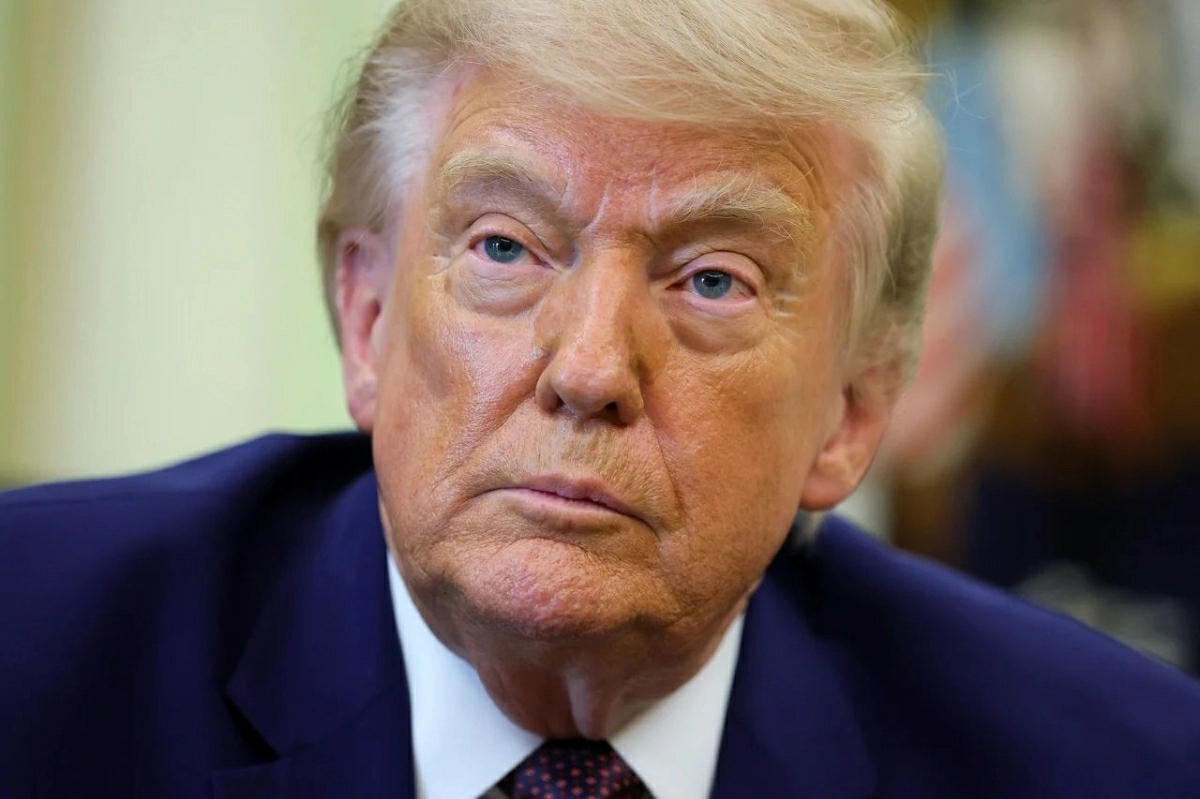
Trump says Iran is taking ‘too long to negotiate a deal’ and ‘now will pay the price’