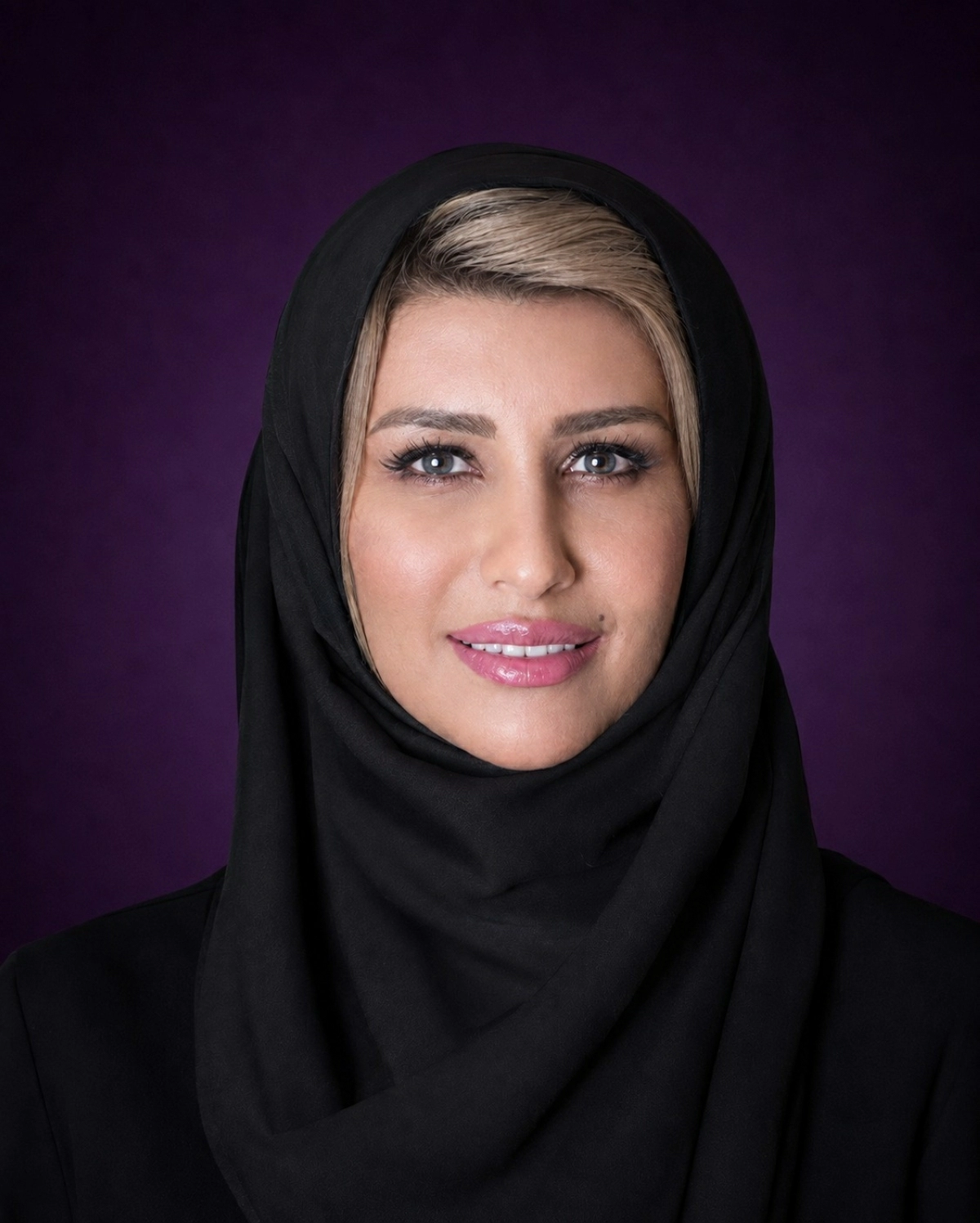

Abdul El-Sayed has won a seat in the U.S. Senate. Yet in parts of the Arab debate, the conversation has centered less on what he might do in office than on who he is: Muslim, Arab by heritage, articulate, charismatic. There lies a political communication paradox: an identity can travel farther and faster than a political position. A familiar name can attract applause—or suspicion—before a single policy is examined.El-Sayed is the first Muslim elected to the Senate. That is a historical fact about political representation, not an argument for supporting his politics. Reactions to his victory reveal how differently the same public image can be interpreted. Some welcomed the result through the lens of shared identity, while others questioned his political positions. Yet neither admiration nor criticism should be determined by identity alone. Scrutinizing documented political views is legitimate; treating religion or ancestry as evidence of political loyalty or guilt is not. Religion is a matter of personal belief; ancestry is part of a person’s history. Humor, eloquence, and charisma may make a politician memorable, but they tell us little about how he will vote. His political mandate comes from American voters, not from everyone abroad who happens to share his faith or roots.The consequences of his decisions, however, may extend far beyond America’s borders. This is where the communications question becomes a political one. Public images are assembled from symbols that require little explanation: a name, a background, a smile, a compelling speech. Such signals can create a sense of familiarity with a public figure, even when audiences know more about his persona than his policies. That impression can produce admiration without scrutiny. It can also turn disagreement into suspicion without evidence. In both cases, the image gets ahead of the record.And when influence translates into political prominence, one distinction matters: the ability to command attention is not the same as the ability to lead. A seat in the U.S. Senate is not simply a stage for personal symbolism. Senators participate in decisions affecting international relations, trade, and security. For audiences beyond the United States, those decisions matter more than any sense of familiarity with the person casting the vote. From a Saudi perspective, the questions worth examining concern El-Sayed’s positions toward the Kingdom, his approach to Saudi-American relations, and any legislative choices that may affect Saudi interests. Neither political affinity nor hostility should be presumed from his religion, ancestry, or personal appeal. Shared identity does not guarantee shared political interests. Nor should political disagreement become a license for unsupported accusations.When identity becomes the headline, political judgment risks becoming the footnote.Abdul El-Sayed has won a seat in the U.S. Senate. Yet in parts of the Arab debate, the conversation has centered less on what he might do in office than on who he is: Muslim, Arab by heritage, articulate, charismatic. There lies a political communication paradox: an identity can travel farther and faster than a political position. A familiar name can attract applause—or suspicion—before a single policy is examined.El-Sayed is the first Muslim elected to the Senate. That is a historical fact about political representation, not an argument for supporting his politics. Reactions to his victory reveal how differently the same public image can be interpreted. Some welcomed the result through the lens of shared identity, while others questioned his political positions. Yet neither admiration nor criticism should be determined by identity alone. Scrutinizing documented political views is legitimate; treating religion or ancestry as evidence of political loyalty or guilt is not. Religion is a matter of personal belief; ancestry is part of a person’s history. Humor, eloquence, and charisma may make a politician memorable, but they tell us little about how he will vote. His political mandate comes from American voters, not from everyone abroad who happens to share his faith or roots.The consequences of his decisions, however, may extend far beyond America’s borders. This is where the communications question becomes a political one. Public images are assembled from symbols that require little explanation: a name, a background, a smile, a compelling speech. Such signals can create a sense of familiarity with a public figure, even when audiences know more about his persona than his policies. That impression can produce admiration without scrutiny. It can also turn disagreement into suspicion without evidence. In both cases, the image gets ahead of the record.And when influence translates into political prominence, one distinction matters: the ability to command attention is not the same as the ability to lead. A seat in the U.S. Senate is not simply a stage for personal symbolism. Senators participate in decisions affecting international relations, trade, and security. For audiences beyond the United States, those decisions matter more than any sense of familiarity with the person casting the vote. From a Saudi perspective, the questions worth examining concern El-Sayed’s positions toward the Kingdom, his approach to Saudi-American relations, and any legislative choices that may affect Saudi interests. Neither political affinity nor hostility should be presumed from his religion, ancestry, or personal appeal. Shared identity does not guarantee shared political interests. Nor should political disagreement become a license for unsupported accusations.When identity becomes the headline, political judgment risks becoming the footnote.
When identity overshadows political positions