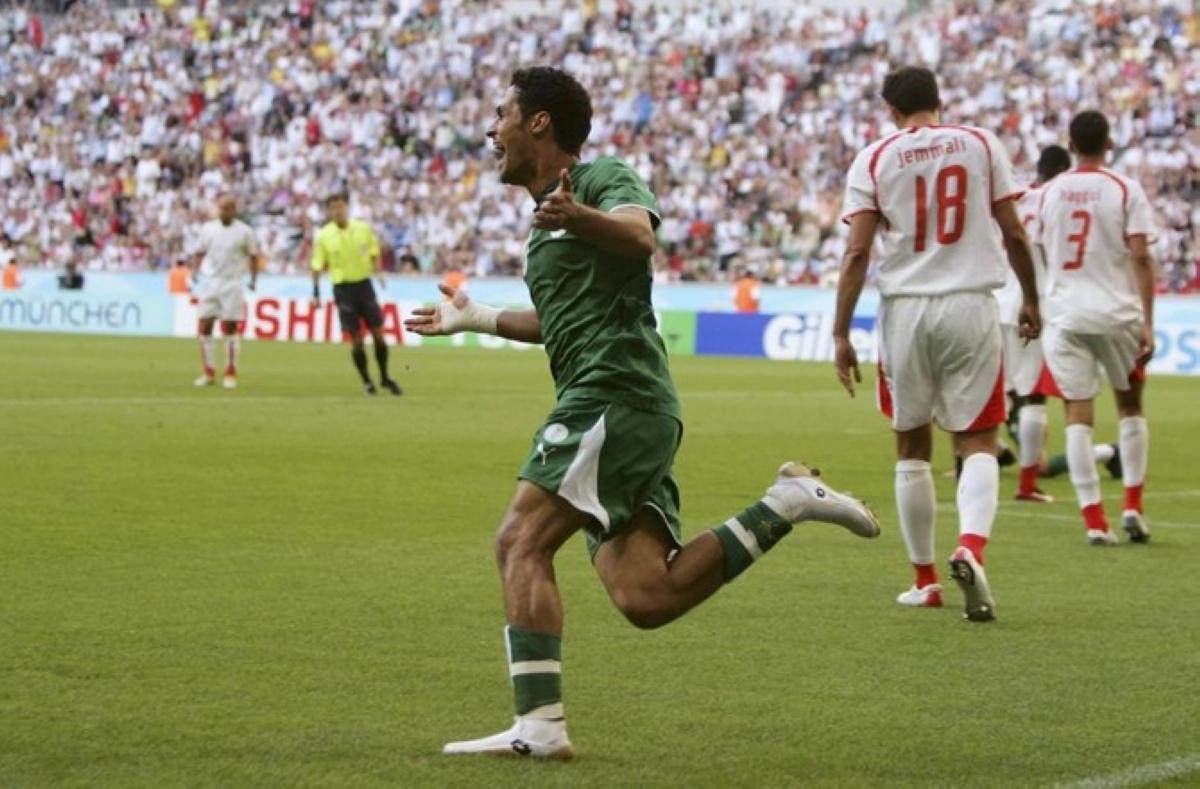
JEDDAH — As Arab nations prepare for their largest-ever representation at the FIFA World Cup, one of the tournament’s rarest traditions is set to continue in 2026.Despite decades of Arab participation on football’s biggest stage, World Cup meetings between Arab national teams have been remarkably uncommon.Since the first Arab appearance at the tournament in 1934, only three all-Arab matches have been played at the World Cup.That number will rise to four this summer when Jordan faces Algeria in the group stage of the 2026 tournament.A rare World Cup traditionArab teams have become regular participants at the World Cup over the past several decades, yet direct encounters between them have remained scarce.The first all-Arab World Cup match took place at the 1994 tournament in the United States, when Saudi Arabia faced Morocco in the final round of the group stage.Saudi Arabia secured a 2-1 victory through goals from Sami Al-Jaber and Fouad Anwar, earning a historic place in the Round of 16 for the first time in the nation’s history.Saudi Arabia at the center of Arab World Cup historyTwelve years later, Saudi Arabia was involved in the second Arab derby in World Cup history.The Green Falcons met Tunisia in the group stage of the 2006 World Cup in Germany, producing a dramatic 2-2 draw.Tunisia scored a late equalizer after goals from Ziad Jaziri and Radhi Jaidi, while Sami Al-Jaber and Yasser Al-Qahtani found the net for Saudi Arabia.Saudi Arabia again featured in the third all-Arab World Cup encounter when it faced Egypt in the final group-stage match of the 2018 tournament in Russia.Although both teams had already been eliminated, the match produced a memorable moment for Saudi football. Goals from Salman Al-Faraj and Salem Al-Dawsari secured a 2-1 victory, giving Saudi Arabia its first World Cup win since the 1994 tournament. Mohamed Salah scored Egypt’s lone goal.Jordan and Algeria to write the next chapterThe 2026 World Cup will not only feature a record 48 teams but also the largest Arab presence in tournament history, with eight Arab nations qualifying for the finals.The draw has already guaranteed another Arab derby after Jordan and Algeria were placed in the same group.The two teams will meet on June 23 in what will become the fourth all-Arab match in World Cup history.The fixture carries added significance as Jordan prepares for its first-ever World Cup appearance, while Algeria arrives with a rich World Cup heritage that includes its famous victory over West Germany at the 1982 tournament.Possibility of more Arab derbiesThe expanded tournament format could create opportunities for additional Arab meetings in the knockout rounds.With more Arab teams participating and more qualification spots available under the new 48-team structure, the chances of further Arab derbies are greater than ever before.That possibility adds another layer of intrigue to a tournament already expected to be historic for Arab football.Why these matches matterPart of what makes Arab World Cup encounters so memorable is their rarity.Unlike continental competitions, where Arab nations frequently face one another, a World Cup meeting carries a different significance. It combines the pressure of the world’s biggest sporting stage with the shared culture, language and football passion that unite Arab supporters across the region.When Jordan and Algeria take the field this summer, they will not only be battling for crucial World Cup points. They will also be adding a new chapter to one of the tournament’s most unusual and infrequent traditions.JEDDAH — As Arab nations prepare for their largest-ever representation at the FIFA World Cup, one of the tournament’s rarest traditions is set to continue in 2026.Despite decades of Arab participation on football’s biggest stage, World Cup meetings between Arab national teams have been remarkably uncommon.Since the first Arab appearance at the tournament in 1934, only three all-Arab matches have been played at the World Cup.That number will rise to four this summer when Jordan faces Algeria in the group stage of the 2026 tournament.A rare World Cup traditionArab teams have become regular participants at the World Cup over the past several decades, yet direct encounters between them have remained scarce.The first all-Arab World Cup match took place at the 1994 tournament in the United States, when Saudi Arabia faced Morocco in the final round of the group stage.Saudi Arabia secured a 2-1 victory through goals from Sami Al-Jaber and Fouad Anwar, earning a historic place in the Round of 16 for the first time in the nation’s history.Saudi Arabia at the center of Arab World Cup historyTwelve years later, Saudi Arabia was involved in the second Arab derby in World Cup history.The Green Falcons met Tunisia in the group stage of the 2006 World Cup in Germany, producing a dramatic 2-2 draw.Tunisia scored a late equalizer after goals from Ziad Jaziri and Radhi Jaidi, while Sami Al-Jaber and Yasser Al-Qahtani found the net for Saudi Arabia.Saudi Arabia again featured in the third all-Arab World Cup encounter when it faced Egypt in the final group-stage match of the 2018 tournament in Russia.Although both teams had already been eliminated, the match produced a memorable moment for Saudi football. Goals from Salman Al-Faraj and Salem Al-Dawsari secured a 2-1 victory, giving Saudi Arabia its first World Cup win since the 1994 tournament. Mohamed Salah scored Egypt’s lone goal.Jordan and Algeria to write the next chapterThe 2026 World Cup will not only feature a record 48 teams but also the largest Arab presence in tournament history, with eight Arab nations qualifying for the finals.The draw has already guaranteed another Arab derby after Jordan and Algeria were placed in the same group.The two teams will meet on June 23 in what will become the fourth all-Arab match in World Cup history.The fixture carries added significance as Jordan prepares for its first-ever World Cup appearance, while Algeria arrives with a rich World Cup heritage that includes its famous victory over West Germany at the 1982 tournament.Possibility of more Arab derbiesThe expanded tournament format could create opportunities for additional Arab meetings in the knockout rounds.With more Arab teams participating and more qualification spots available under the new 48-team structure, the chances of further Arab derbies are greater than ever before.That possibility adds another layer of intrigue to a tournament already expected to be historic for Arab football.Why these matches matterPart of what makes Arab World Cup encounters so memorable is their rarity.Unlike continental competitions, where Arab nations frequently face one another, a World Cup meeting carries a different significance. It combines the pressure of the world’s biggest sporting stage with the shared culture, language and football passion that unite Arab supporters across the region.When Jordan and Algeria take the field this summer, they will not only be battling for crucial World Cup points. They will also be adding a new chapter to one of the tournament’s most unusual and infrequent traditions.
World Cup 2026 set for only the fourth Arab derby in tournament history