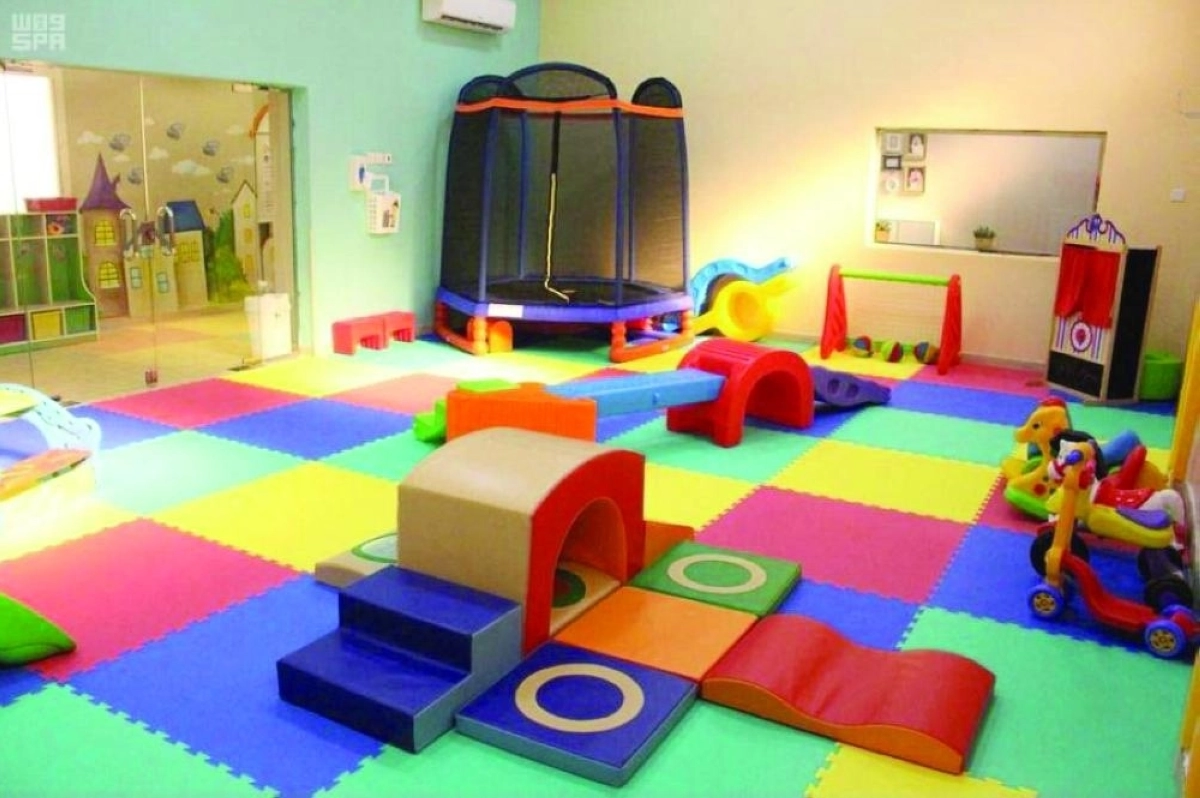

RIYADH — The Council of Ministers has directed the Ministry of Education, in coordination with the Ministry of Human Resources and Social Development and other relevant authorities, to work on opening childcare nurseries at government and private sector workplaces with large numbers of employees.The move aims to strengthen women’s participation in the labor market while supporting early childhood development goals under Saudi Vision 2030.According to the Cabinet decision, authorities have been tasked with developing regulations and procedures governing the establishment of workplace nurseries in both public and private sector institutions to address organizational challenges and streamline implementation processes.The decision also stressed the need to address differences in working hours between nurseries and various sectors, including ministries, public education departments and companies, as well as variations in daily start and end times, to encourage employees to enroll their children in workplace childcare centers.The Cabinet further emphasized the importance of providing the necessary support to overcome human, financial, technical and organizational challenges facing existing nurseries operating in government workplaces.The measures include increasing operational budgets, maintaining facilities, improving internet infrastructure, hiring childcare staff and cleaners, limiting admissions to employees’ children, and strengthening governance mechanisms for support services.The decision also called for planning and preparing appropriate spaces and infrastructure needed to establish nurseries at workplaces while ensuring compliance with regulatory requirements.Authorities were also directed to raise awareness among employees about the importance of workplace nurseries and their positive impact on parents, children and employers.The Cabinet stressed that all related costs must be covered within existing approved budgets through reprioritizing spending, without creating additional financial burdens on the state budget or requesting increases in approved spending ceilings.RIYADH — The Council of Ministers has directed the Ministry of Education, in coordination with the Ministry of Human Resources and Social Development and other relevant authorities, to work on opening childcare nurseries at government and private sector workplaces with large numbers of employees.The move aims to strengthen women’s participation in the labor market while supporting early childhood development goals under Saudi Vision 2030.According to the Cabinet decision, authorities have been tasked with developing regulations and procedures governing the establishment of workplace nurseries in both public and private sector institutions to address organizational challenges and streamline implementation processes.The decision also stressed the need to address differences in working hours between nurseries and various sectors, including ministries, public education departments and companies, as well as variations in daily start and end times, to encourage employees to enroll their children in workplace childcare centers.The Cabinet further emphasized the importance of providing the necessary support to overcome human, financial, technical and organizational challenges facing existing nurseries operating in government workplaces.The measures include increasing operational budgets, maintaining facilities, improving internet infrastructure, hiring childcare staff and cleaners, limiting admissions to employees’ children, and strengthening governance mechanisms for support services.The decision also called for planning and preparing appropriate spaces and infrastructure needed to establish nurseries at workplaces while ensuring compliance with regulatory requirements.Authorities were also directed to raise awareness among employees about the importance of workplace nurseries and their positive impact on parents, children and employers.The Cabinet stressed that all related costs must be covered within existing approved budgets through reprioritizing spending, without creating additional financial burdens on the state budget or requesting increases in approved spending ceilings.
Saudi Arabia moves to expand workplace nurseries to support working parents